written by Bob Wallace
On my 51st birthday, I was given the worst gift ever – the diagnosis of head and neck cancer: a cancerous tumour on the soft palette of my throat. The immediate treatment consisted of 33 radiations and 2 chemotherapy sessions. It was agonising but the details do not fit the theme of this narrative. As a result of the radiation treatment, I was left with several lasting effects including dramatic weight loss. Overall, I lost 21 kilos (46.2 pounds) and needed a feeding tube to get through the last 2 weeks of treatment and 2 more weeks thereafter. Fun city.
How did the side effects of radiation treatment change my eating habits?
Radiation caused severe damage to the salivary glands, which means my body does not produce saliva as it used to. I must chew my food until its grounded down finely and mix with water before swallowing. Water basically replaces saliva.
Advice: Wash down every bite of food with a sip of water, and I mean every bite. Chew your food. Just like your mother told you to. Don’t talk with your mouth full – that actually has nothing to do with this advice just thought I’d throw it in there.
I can only open my mouth about ¾ of the way due to tightness of the jaw (called trismus) so can only take small bites.
Advice: Take a guess. Smaller bites. We’d all love to take a mammoth bite out of a porterhouse along with a kilo of home fries and wash down with an ocean of Grenache, but alas, it’s a human bite and gulp of H2O from now on.
A condition called (internal) lymphedema which causes a build-up of lymph fluid in my throat, constricting the passageway, causing a chocking feeling. I can therefore only eat ‘softer foods’.
Advice: Avoid harder foods like toast, chips, seeds, popcorn etc. You want the food to slide down easily. Slow down! Take a break. Let your body process your food properly. Minimize the bread intake. Not necessary to give up bread entirely but follow a simple rule – if bread is integral part of meal enjoy it but if it’s on the side (ie: toast with breakfast, bread/butter before a meal etc.) let it go. Tell the waiter to not bring over bread/breadsticks to avoid temptation. Enjoy the atmosphere and the company.
I read a nutrition book years ago. It was so extraordinary that I forgot the title and author’s name. We’ll call him Dr. Obvious to make it simple. Doctor Obvious was constantly asked what is the worst dietary thing people consistently do? His answer: the bread and butter before a big meal. A mountain of rich food sits on top of a bedrock of pumpernickel and swims in a lake of wine. No good. Thank you Dr. Obvious.
The salient message I want to send is that “HOW” you eat is just as important as “WHAT” you eat. Does an intelligent person really need an ‘expert’ to tell them that yogurt is good and Doritos are bad! If you need a person to tell you what foods to consume, Dr. Obvious’ book is now on Kindle for $3.99. Be sensible, smart, and practical and you’ll be fine.
How about “WHERE” to eat? McDonalds or in your kitchen making a tasty nutritious meal whilst drinking a crisp Pinot Noir. It’s obvious (there’s that word again).
Whilst we’re on the obvious train, let’s talk about beverages
No problems with coffee or tea but leave the soda (fizzy drinks for my Aussie mates), sugary drinks, fruit juices, milk etc… for somebody else. Alcohol: I still like it. Wine is no longer in my canteen but a cold beer or a cocktail are much deserved and enjoyed.
Advice: No need to give up alcohol but be smart about it. Never wash down food with alcohol. You can drink before a meal, after a meal, and even have a drink during a meal but every morsel must be consumed with, you guessed it, water. Buffalo wings and water, cookies and water, pizza and water, steak and water… yuck. You’ll get used to it.
What is all that hype about exercising for cancer patients?
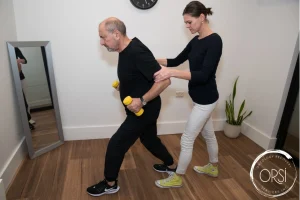
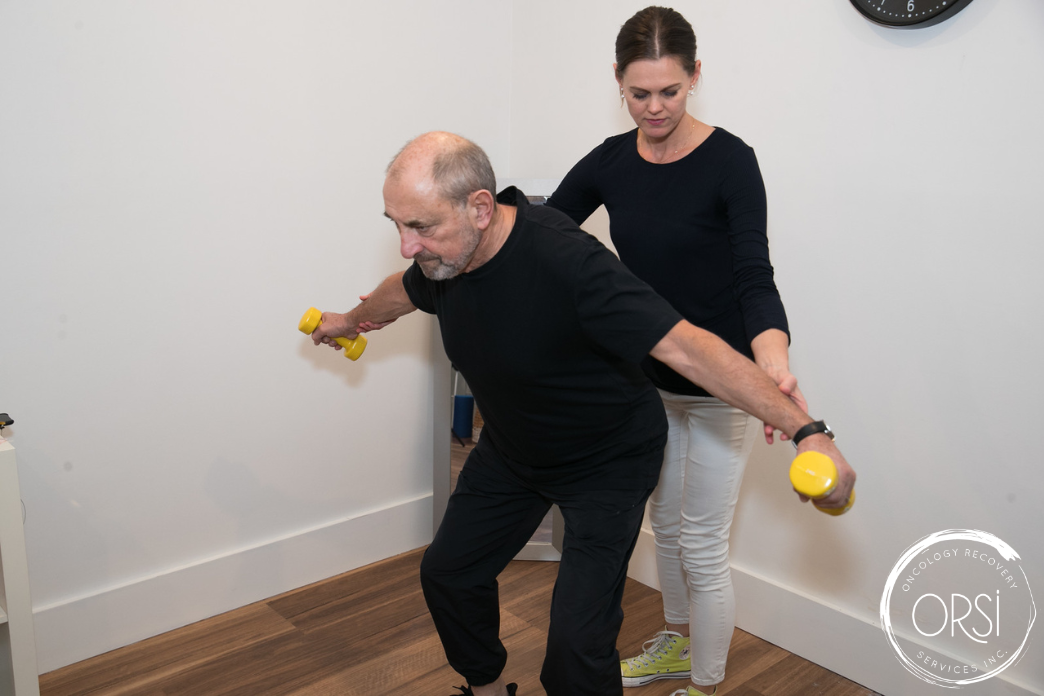
As I was recovering, I was told it was important to exercise in the hope to put lean muscle on my skeletal frame. Wait a second, Radiation Boy is telling us to chew our food properly, now he has the nerve to tell us we need to exercise?!
Advice: We don’t need to look like Arnold or JLo but its critical to include an exercise regimen to our days. It is important to raise your heart rate at least once a day. How you do it is your business… I walk, swim, do a 20-minute morning workout (planks, crunches, push-ups etc. Exercise- bands also work great and your physiotherapist, personal trainer or Youtube will give you plenty of ideas.
Well folks, I hope this all helps. I don’t like cliches generally but here’s an apt one to conclude “When life gives you lemons, make lemonade”. Unfortunately, you can’t drink the lemonade but maybe squeeze a bit on a dozen oysters and enjoy them with some mates. Good luck!