
Receiving a gynaecological cancer diagnosis can be overwhelming, and it’s important to be aware of potential side effects from treatment. One such side effect is lymphoedema, a condition that can significantly impact your quality of life.
What is lymphoedema and how common is it after gynaecological cancer?
Lymphoedema is a chronic condition characterised by swelling, usually in the legs or lower body, caused by a buildup of lymph fluid. The prevalence of lymphoedema varies depending on the type of gynaecological cancer:
- Vulvar cancer: 47% of patients may develop lymphoedema
- Cervical cancer: 24% of patients may experience lymphoedema
- Endometrial (uterine) cancer: Up to 50% of patients might develop lymphoedema
- Ovarian cancer: up to 41% of patients may experience lymphoedema
It’s important to note that these rates can vary significantly based on several factors, including:
– Diagnostic criteria used
– Timing of assessment
– Measurement techniques
– Potential reporting bias
– Length of follow-up time
Additionally, the stage of cancer, extent of surgery, and use of radiation therapy can all influence the likelihood of developing lymphoedema. It can develop immediately after treatment or even years later, so ongoing awareness is crucial.
What are the risk factors for developing lymphoedema?
Several factors can increase your risk:
- Extensive surgery, especially lymph node removal
- Radiation therapy to the pelvic area
- Advanced cancer stage
- Obesity or being overweight
- Infections in the affected area
- Genetic predisposition
It’s important to note that having these risk factors doesn’t mean you’ll definitely develop the condition, but it’s crucial to be aware and vigilant.
What are the signs and symptoms of lymphoedema?
Early detection is key in managing lymphoedema. Look out for:
– Swelling in your legs, feet, or genitals
– A feeling of heaviness or tightness in the affected area
– Difficulty fitting into clothes or shoes
– Skin changes, such as thickening or hardening
If you notice any of these symptoms, consult your healthcare provider promptly.
How is lymphoedema managed after gynaecological cancer?

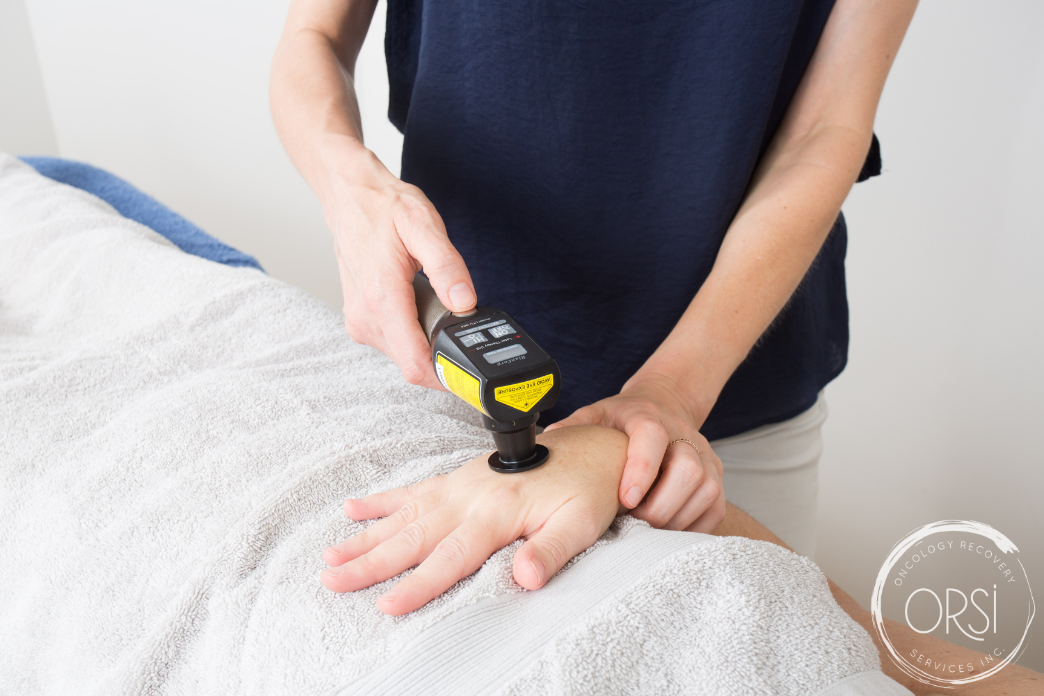
Management focuses on reducing swelling, preventing complications, and improving quality of life. Key strategies include:
- Compression therapy: Wearing compression garments or bandages helps prevent fluid buildup.
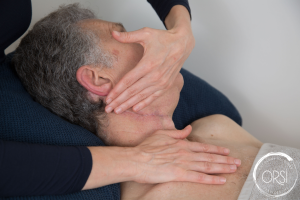
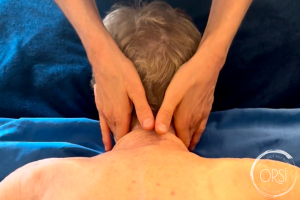
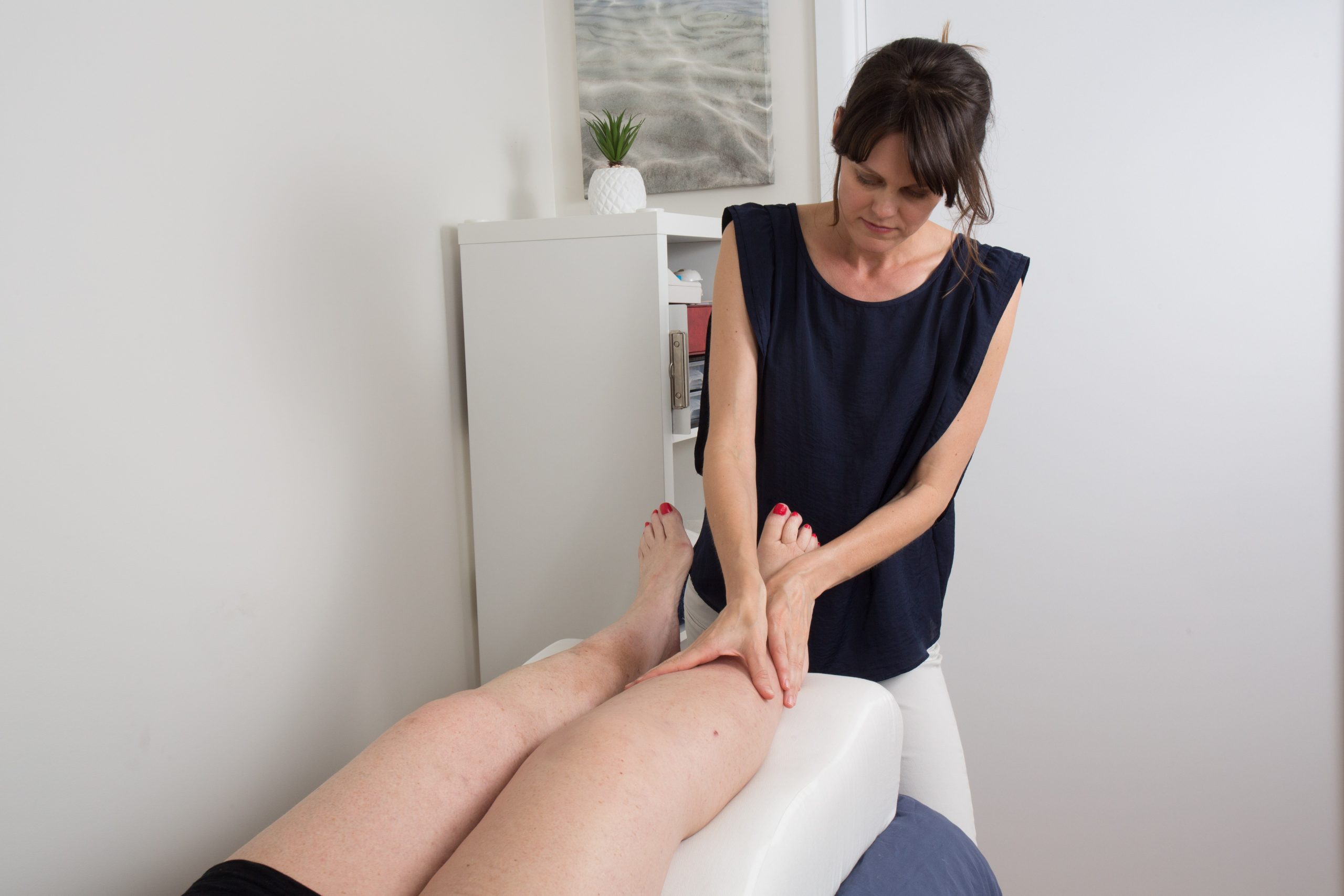
- Manual lymphatic drainage: This specialised massage technique encourages lymph flow and reduces swelling.
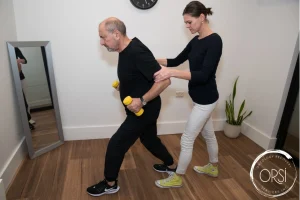
- Exercise: Gentle exercises can help stimulate lymph flow and improve overall fitness.
- Skincare: Keeping your skin clean and moisturised helps prevent infections.
- Weight management: Maintaining a healthy weight can reduce the risk and severity.
Can lymphoedema be prevented?
While it’s not always possible to prevent it, you can take steps to reduce your risk:
– Maintain a healthy weight
– Protect your skin from cuts, burns, and insect bites
– Avoid heat exposure and tight clothing in the affected area
– Stay physically active within your comfort level

Remember, early intervention is crucial. If you notice any signs of swelling, don’t hesitate to reach out to your healthcare team.
Living with lymphoedema after gynaecological cancer can be challenging, but with proper management and care, many women lead full, active lives. Stay informed, follow your treatment plan, and don’t hesitate to seek support when needed.