Massage Therapy in Cancer Care
Understanding the different types of massage, when they help, and how they support recovery before, during and after cancer treatment.
Cancer treatment can affect much more than the area being treated. Surgery, chemotherapy, radiotherapy and targeted therapies can leave people experiencing muscle tightness, swelling, pain, fatigue, restricted movement and changes in how their body feels.
Massage therapy can play an important role in managing these side effects, but not all massage is the same.
Different techniques are used for different problems, and understanding which approach is most appropriate can help you get the greatest benefit from your treatment.
Below, we answer some of the most common questions we hear from patients.
Is massage therapy safe during and after cancer treatment?
Yes, when performed by a therapist trained to work with people affected by cancer.
Cancer treatment can change the body’s tissues, circulation, skin integrity and energy levels. Surgery, lymph node removal, radiation therapy and chemotherapy all influence how massage should be delivered.
A qualified massage therapist will adapt your treatment by considering factors such as:
• Your cancer diagnosis and treatment plan
• Recent surgery or scars
• Radiation treatment areas
• Fatigue and overall energy levels
• Lymphoedema or risk of developing lymphoedema
• Skin sensitivity or treatment-related side effects
Rather than following a standard massage routine, every treatment should be tailored to your individual needs on the day.
What are the different types of massage?
Oncology massage
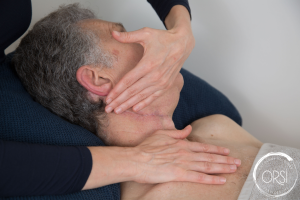
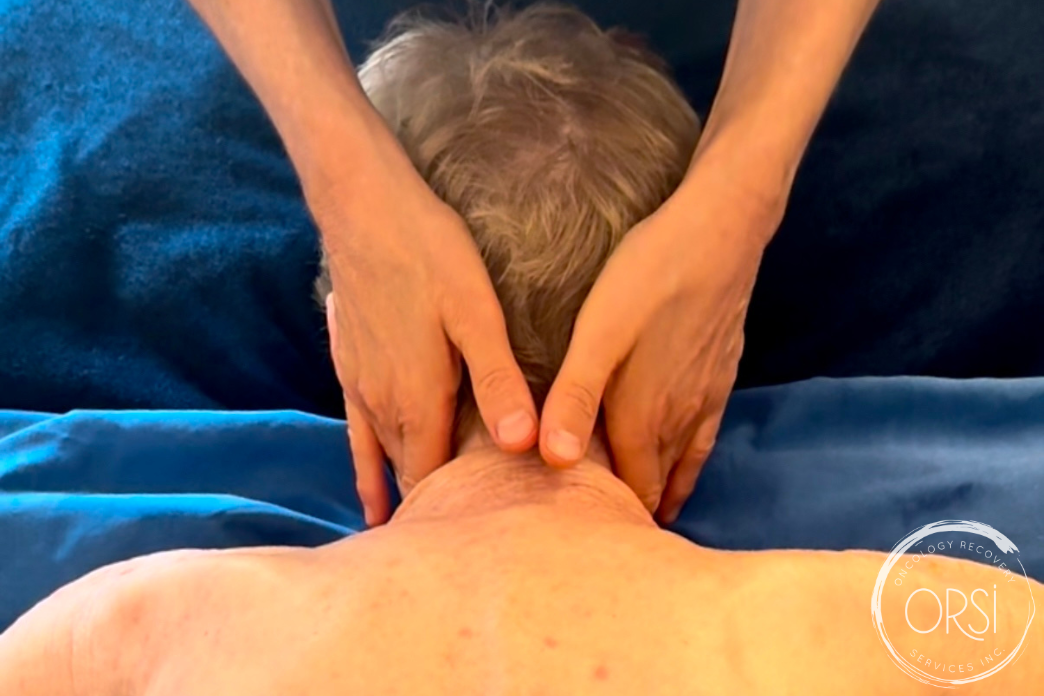
Oncology massage is specifically designed for people undergoing or recovering from cancer treatment.
Using slow, gentle and carefully adapted techniques, the aim is to improve comfort, reduce stress and support overall wellbeing while respecting the changes that cancer treatment can bring.
Your therapist may modify:
• Pressure
• Positioning on the treatment bed
• Treatment duration
• Areas treated
• Techniques used
This allows treatment to remain both safe and comfortable throughout your cancer care.
Remedial massage
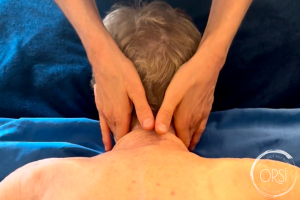
Remedial massage focuses on muscles, tendons and other soft tissues to improve movement and reduce discomfort.
Depending on your needs, treatment may include techniques such as:
• Myofascial release
• Trigger point therapy
• Soft tissue mobilisation
• Muscle stretching
Pressure can range from light to firm, depending on your preferences and your therapist’s clinical assessment.
The goal is not simply to relieve tight muscles, but to improve mobility, restore function and help you move with greater comfort and confidence.
Manual lymphatic drainage
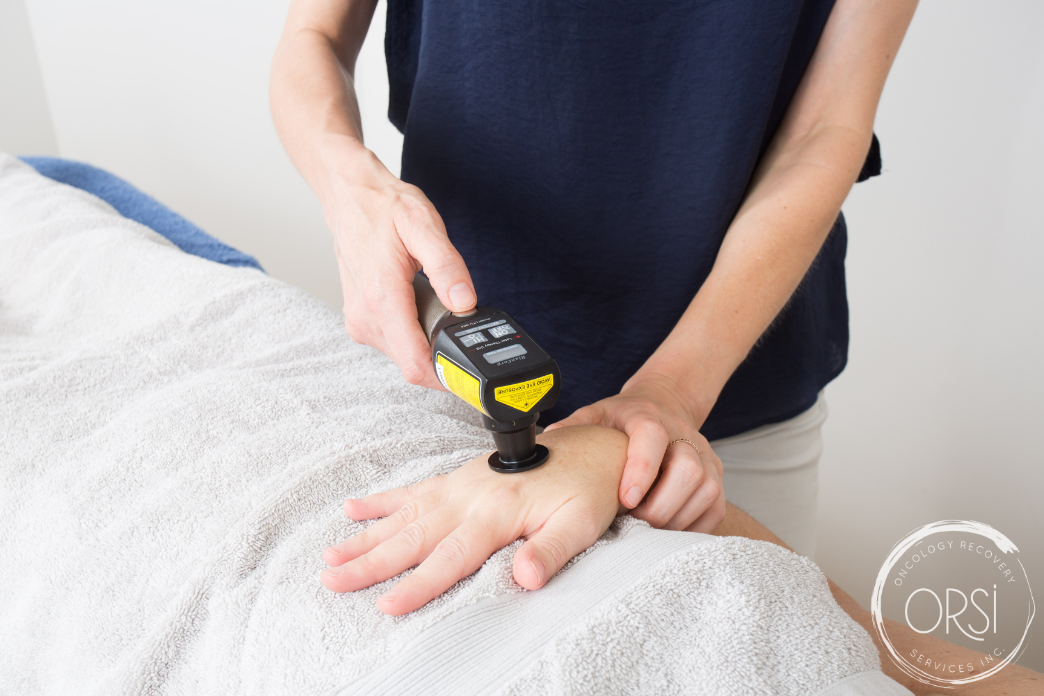
Manual lymphatic drainage (MLD) is a specialised, gentle massage technique that stimulates the lymphatic system.
Unlike remedial massage, MLD uses very light, rhythmic movements to encourage lymph fluid to move through the body’s lymphatic vessels.
This technique is commonly used for people experiencing:
• Lymphoedema
• Swelling following surgery
• Heaviness or tightness related to lymphatic dysfunction
When lymph nodes have been removed or damaged during cancer treatment, specialised lymphatic massage therapists can adapt treatment to encourage fluid towards alternative pathways that the body has developed.
For many people, manual lymphatic drainage forms part of a broader lymphoedema management plan that may also include compression therapy, exercise, skin care and education.
Which massage is right for me?
The most appropriate massage depends on your symptoms and treatment goals.
For example:
• Feeling overwhelmed, fatigued or going through active treatment? Oncology massage may be the most appropriate.
• Experiencing muscle tightness, stiffness or restricted movement? Remedial massage may help restore mobility.
• Managing swelling or lymphoedema? Manual lymphatic drainage is often the preferred approach.
In many cases, patients benefit from a combination of techniques as their recovery progresses.
Can massage help with lymphoedema?
Massage can help, but it depends on the type of massage being used.
General massage is not a treatment for lymphoedema.
Manual lymphatic drainage is a specialised technique designed to assist lymphatic flow and reduce swelling. When appropriate, it is combined with other evidence-based treatments, including compression therapy, exercise and education.
If you have lymphoedema or are at risk following lymph node removal, it is important to seek assessment from a clinician experienced in lymphoedema management.
How does massage fit into cancer rehabilitation?
Massage therapy is most effective when it forms part of a broader rehabilitation plan rather than being used in isolation.
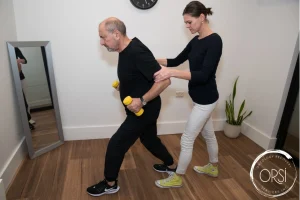
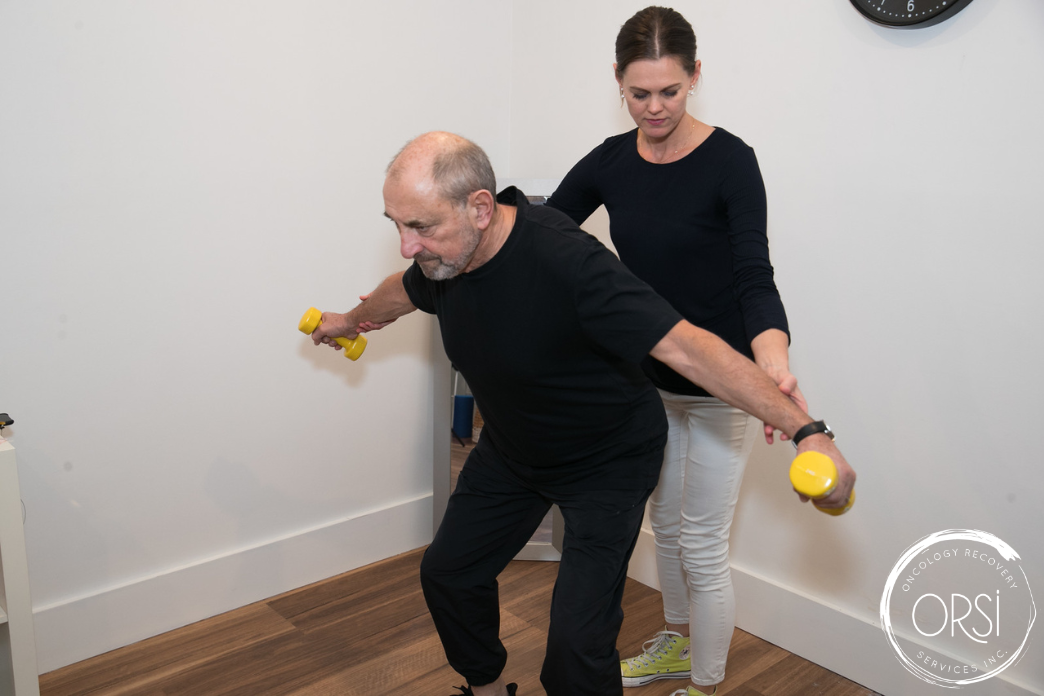
At ORSI, massage therapists work closely with physiotherapists to ensure treatment complements your overall recovery goals.
For example, massage may help:
• Reduce muscle tension before exercise rehabilitation
• Improve tissue mobility following surgery
• Assist with scar management
• Reduce swelling before compression garment fitting
• Improve comfort so movement becomes easier
By combining therapies, we can tailor treatment to your changing needs throughout recovery.
What can I expect at my first appointment?
Your first appointment begins with a discussion about your medical history, cancer treatment and current symptoms.
Your therapist will ask about:
• Surgery and treatment history
• Areas of pain or tightness
• Swelling or lymphoedema
• Fatigue levels
• Your goals for treatment
This assessment helps determine the most appropriate techniques for your individual situation.
No two treatments are exactly the same, because no two people experience cancer treatment in the same way.
The takeaway
Massage therapy is more than a way to relax. When delivered by clinicians with experience in cancer care, it can help manage treatment-related side effects, improve comfort, restore movement and support your overall rehabilitation.
Whether you require oncology massage, remedial massage or manual lymphatic drainage, the right approach depends on your diagnosis, treatment history and individual goals.
Understanding these differences allows you to make informed decisions and ensures your care is tailored to what your body needs most.
References
- Cancer Council Australia. Massage.
https://www.cancercouncil.com.au/cancer-information/living-well/complementary-therapies/individual-therapies/massage/ - Cleveland Clinic. Lymphatic Drainage Massage.
https://my.clevelandclinic.org/health/treatments/21768-lymphatic-drainage-massage