Scar Therapy After Cancer Surgery: Supporting Comfort, Movement and Recovery
Understanding how scars can affect comfort, movement and everyday activities — and how individualised scar therapy may support recovery before, during and after cancer treatment.
What is scar therapy?
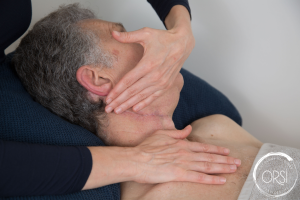
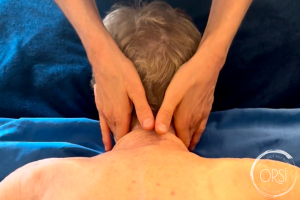
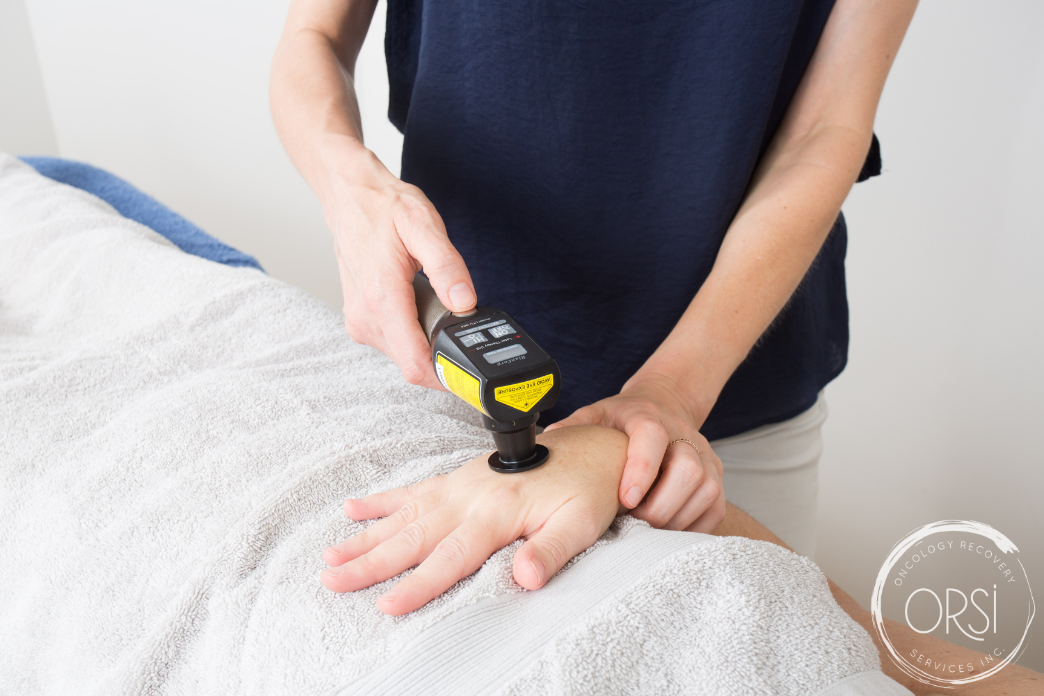
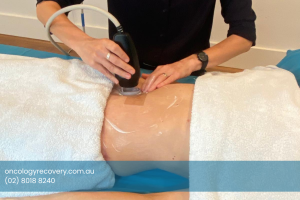
Scar therapy includes a range of hands-on treatments and self-care strategies that can help a scar and the tissues around it move and function more comfortably. Depending on your needs, this may include gentle scar massage, stretching, movement, breathing techniques, scar-care products and education.
The aim is not simply to make a scar look different. Scar therapy looks at how the scar feels and moves, and whether it is affecting comfort, sensation, posture, movement or daily activities.
What happens to a scar after surgery?
Scar formation is a normal part of healing. After surgery, your body repairs the wound by making new tissue and collagen. A new scar may look red, pink, raised or firm at first. Over time, it usually becomes flatter, softer and paler as the scar matures.
Healing does not happen only at the surface. The deeper layers under the skin can take many weeks to recover, particularly after larger or more complex surgery. This means a scar can look healed on the outside while the tissues underneath are still healing.
Scar tissue can continue to change for many months and may keep remodelling for around 18–24 months. An older-looking scar may therefore still respond to appropriate scar management.
Some scars can also develop areas where tissues do not glide as easily as they normally would. These areas are sometimes called adhesions. They may feel tight or stuck and can contribute to pulling, reduced movement or discomfort.
How can cancer treatment affect scar healing?
Cancer treatment can change how quickly and how comfortably tissues heal. Chemotherapy can affect processes involved in wound repair, including inflammation, new tissue formation and collagen production. The effect depends on the medicines used, the timing of treatment and your overall health. If you are receiving chemotherapy or have recently finished treatment, your scar therapy plan should be adjusted to your individual situation.
Radiotherapy can also affect healthy tissue in the treatment area. Skin and deeper tissues may become more sensitive, fragile or slower to heal, and some effects can continue after treatment has finished. For this reason, scar treatment over or close to an area receiving radiotherapy needs particular care and should be coordinated with your cancer treatment team.
Your therapist will consider your surgery, wound healing, current or recent cancer treatment and how your scar is responding before deciding when and how to treat it.
How can scar therapy help?
Scar therapy is designed around your symptoms, goals and stage of recovery. It may help to:
Improve the movement of the scar and the tissues around it.
Reduce feelings of tightness, pulling or restriction.
Support comfortable movement and range of motion.
Help you manage changes in sensation, such as numbness, sensitivity or tenderness.
Consider swelling or changes in lymphatic drainage when these are present.
Support recovery of posture, movement and everyday function after surgery.
Give you practical self-care strategies that you can use at home.
What techniques may be used?
There is no single ‘scar massage’ technique that is right for everyone. Treatment is chosen according to how well the wound has healed, the age and type of scar, your cancer treatment, your symptoms and your goals.
Gentle pressure and stroking
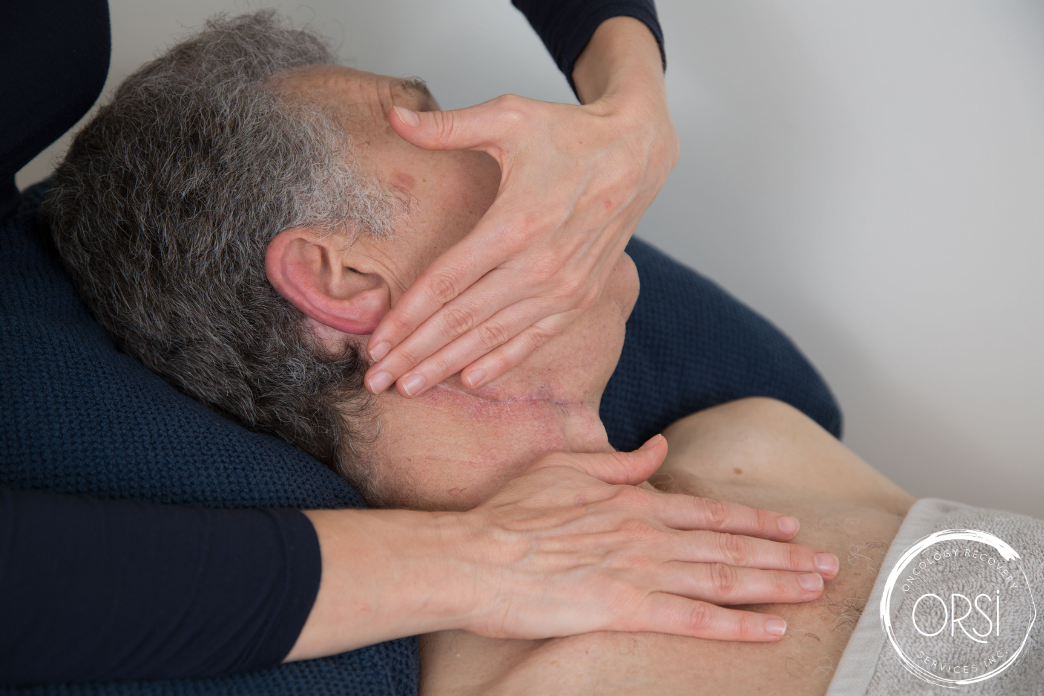
Light, rhythmic or stroking techniques may be used on and around the scar to support tissue movement. Pressure and treatment time are adjusted to what your tissues can safely tolerate.
Stretching and movement
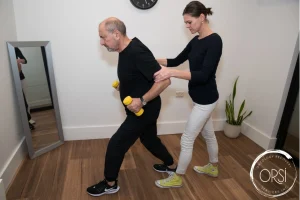
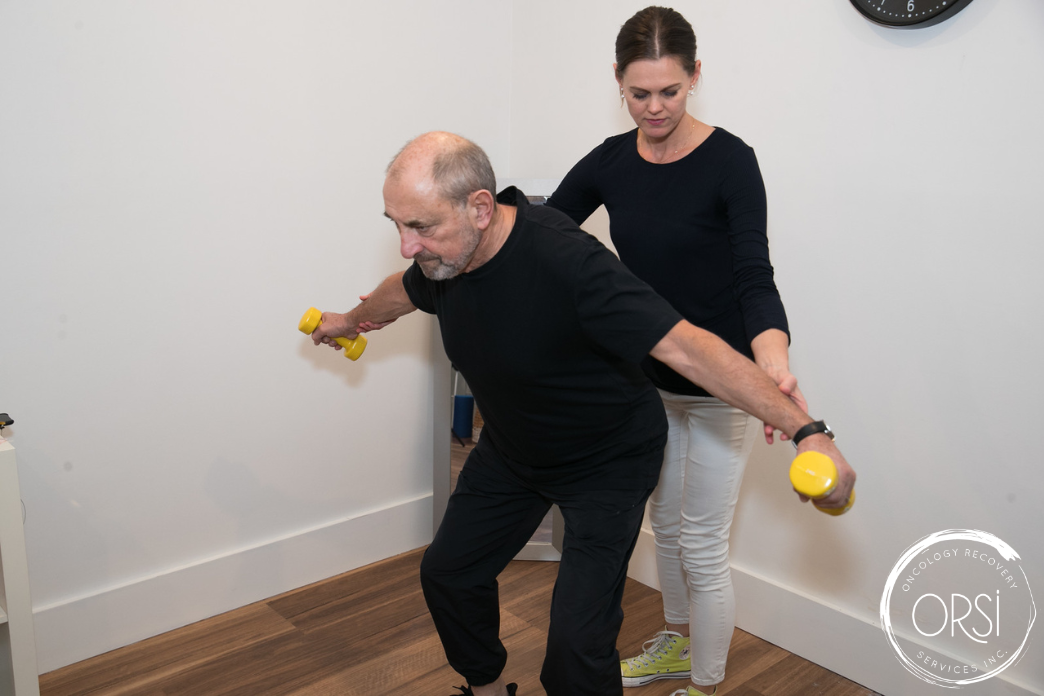
Gentle stretching, positioning and active movement may be used to help the scar and surrounding tissues move more freely. The aim is to improve useful movement without putting unnecessary stress on healing tissue.
Fascial and slow-release techniques
Slow, gentle techniques may be used to explore areas that feel restricted and help the scar work more comfortably with the surrounding tissues. Breathing and relaxation may be included.
Movement and breathing
Your therapist may combine scar treatment with breathing, movement and functional activities so that changes in tissue mobility can translate into easier everyday movement.
Scar therapy and lymphoedema
The lymphatic system helps control fluid in the body and plays an important role in healing. After cancer surgery, lymphatic pathways can sometimes be affected. If lymphatic drainage is reduced, swelling and changes in the tissue can develop around a scar.
Having lymphoedema does not automatically mean you cannot have scar therapy. However, treatment needs to take your lymphatic system into account. Scar therapy may be combined with lymphoedema management such as compression, manual lymphatic drainage or self-lymphatic drainage when appropriate.
Scar care at home
Once your wound is fully closed and your medical team has said that scar care is appropriate, simple self-care can form an important part of recovery.
Moisturiser can help keep healed skin comfortable, while sun protection can help reduce changes in scar colour. Choose products that suit your skin and follow the advice given by your healthcare professional.
Silicone gel or silicone sheets may also be recommended for some scars. Research suggests that silicone-based products can help improve features such as scar height, colour and flexibility, particularly when used regularly. Silicone gel and silicone sheets appear to have similar benefits in some studies.
Silicone should only be used on fully healed skin, not on an open, weeping or infected wound. Follow the product instructions and your clinician’s advice.
Scar therapy as part of cancer rehabilitation
Scar therapy works best when it is part of your wider recovery plan. Depending on your needs, it may complement physiotherapy, occupational therapy, exercise, lymphoedema management, medical care and oncology massage.
The goal is not to ‘break up’ a scar or force it to change. Good scar management is gradual and responsive. Treatment should settle rather than aggravate your symptoms and should be adjusted if your skin or scar reacts.
Frequently asked questions
Can scar therapy help an older scar?
Yes, it may still be useful later in recovery. Older scars can continue to cause tightness, reduced movement, altered sensation or discomfort. The fact that a scar is old does not necessarily mean that nothing can be done to improve how it feels or functions.
Does scar therapy hurt?
Scar therapy should not rely on strong or painful pressure. Treatment is adjusted to the maturity of the scar, the condition of the surrounding tissues and your comfort. If you experience increasing pain, skin irritation or another adverse reaction, treatment should be reduced, changed or stopped.
Can I have scar therapy if I have lymphoedema?
Potentially, yes. Lymphoedema is not automatically a reason to avoid scar therapy, but your treatment should be planned with your lymphatic health in mind. Your therapist may need to change the direction, pressure or timing of treatment.
Can I have scar therapy during radiotherapy?
Direct scar massage over an area being treated with radiotherapy is generally avoided while the skin and tissues are receiving treatment. Radiotherapy can make tissues more sensitive and can affect healing. The timing of scar treatment after radiotherapy should be discussed with your cancer treatment team and your therapist before treatment resumes.
What if I am having chemotherapy?
Tell your therapist if you are currently receiving chemotherapy or have recently finished treatment. Some chemotherapy medicines can affect wound healing, so the timing and intensity of scar treatment may need to be modified. Your therapist can work with your medical team when additional advice is needed.
When should I seek medical advice?
Contact your medical team if your scar becomes increasingly red, hot, swollen or painful, starts to open or drain fluid, or if you develop other symptoms that concern you. Do not use scar massage or scar-care products over an area that has not fully healed unless your medical team has specifically advised you to do so.
Who can be involved in your recovery?
Scar care may involve your surgeon, oncologist, breast care or cancer nurse, GP and allied health professionals such as an occupational therapist, physiotherapist, lymphoedema therapist or suitably trained massage therapist.
- A good rehabilitation plan is coordinated around your surgery and cancer treatment. Your healthcare professionals may share information about wound healing, precautions, swelling, movement and the timing of treatment.
- If you are unsure whether scar therapy is suitable for you, ask your treating medical team or scar therapist before starting.
What to expect from an assessment
- Your therapist will ask about your surgery, cancer treatment, wound healing, symptoms and goals. They may look at the scar, surrounding skin and tissue movement and consider how the scar affects your movement or daily activities.
Treatment should be individualised. You may receive hands-on treatment, movement exercises, education and a simple home-care programme. Your plan can change as your scar and your recovery change.
The aim is to help you feel more comfortable and confident in your body while supporting safe recovery.
Considering scar therapy after cancer treatment?
A scar is a normal part of healing, but it can sometimes continue to affect comfort, movement, sensation or function long after an operation. Scar therapy provides a structured way to assess these changes and develop an individualised treatment and self-care plan.
Scar therapy is not one-size-fits-all. Treatment needs to take account of wound healing, chemotherapy or radiotherapy, lymphatic function, surgical repairs and your goals. With appropriate assessment and clinical coordination, scar management can be a useful part of your wider cancer rehabilitation.
If you are considering scar therapy, contact our team to discuss whether it is appropriate for your stage of recovery and treatment history.
Before starting treatment, we can also help you understand what to expect and whether communication with your surgeon, oncologist or other healthcare professional is recommended.
Please speak with your medical team if you have any concerns about your wound, scar or cancer treatment.
References
Dormand, E.-L., Banwell, P.E. and Goodacre, T.E. (2005). Radiotherapy and wound healing. International Wound Journal, 2, 112–127. https://doi.org/10.1111/j.1742-4801.2005.00079.xhttps://doi.org/10.1111/j.1742-4801.2005.00079.x
Słonimska, P., Sachadyn, P., Zieliński, J., Skrzypski, M., & Pikuła, M. (2024). Chemotherapy-Mediated Complications of Wound Healing: An Understudied Side Effect. Advances in Wound Care, 13(4), 187–199. https://doi.org/10.1089/wound.2023.0097https://doi.org/10.1089/wound.2023.0097
Téot, L., Mustoe, T.A., Middelkoop, E., & Gauglitz, G.G. (Eds.). (2020). Textbook on Scar Management: State of the Art Management and Emerging Technologies. Springer. https://doi.org/10.1007/978-3-030-44766-3https://doi.org/10.1007/978-3-030-44766-3_9#DOI
Wang, F., Li, X., Wang, X., & Jiang, X. (2020). Efficacy of topical silicone gel in scar management: A systematic review and meta-analysis of randomised controlled trials. International Wound Journal, 17, 765–773. https://doi.org/10.1111/iwj.13337https://doi.org/10.1111/iwj.13337
Westra, I., Pham, H., & Niessen, F. B. (2016). Topical Silicone Sheet Application in the Treatment of Hypertrophic Scars and Keloids. The Journal of Clinical and Aesthetic Dermatology, 9(10), 28–35. https://pmc.ncbi.nlm.nih.gov/articles/PMC5104309/https://pmc.ncbi.nlm.nih.gov/articles/PMC5104309/