
Shoulder pain, weakness, or stiffness after surgery for head and neck cancer is surprisingly common. In particular, injury to a nerve called the accessory nerve, even when preserved, can significantly impair shoulder movement and overall quality of life.
At Oncology Recovery Services, we frequently support clients dealing with this challenge after neck dissection surgery, helping them recover strength, confidence, and independence.
Understanding the Accessory Nerve and Its Role
The accessory nerve controls the trapezius muscle, a key player in shoulder elevation and posture. While surgeons often aim to preserve the nerve during neck dissection, studies show that nerve injury still occurs in up to 67% of patients, often due to traction, swelling, or microtrauma during surgery (McGarvey et al., 2014).
When this happens, you might experience:
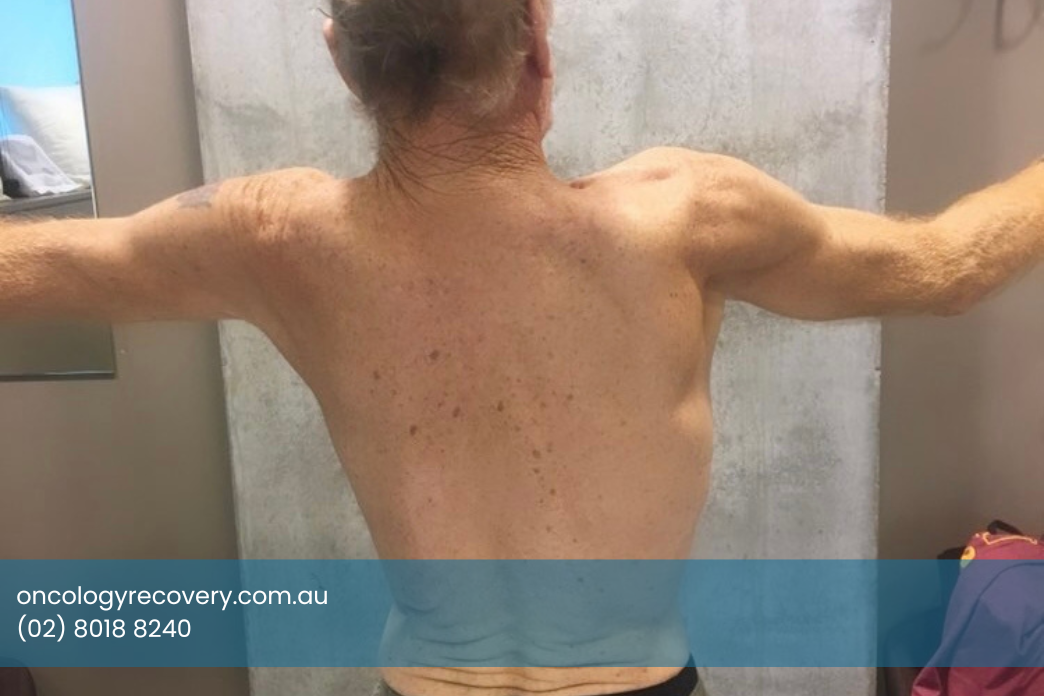
- Shoulder drooping or winging
- Difficulty lifting your arm above shoulder height
- Pain or stiffness around the neck and shoulder
- Trouble with everyday tasks like dressing, driving, or lifting
Why This Matters for Daily Life and Recovery After Neck Dissection?
Shoulder dysfunction doesn’t just affect mobility, it can interfere with:
- Work and caregiving responsibilities
- Exercise and recreational activities
- Confidence and emotional wellbeing
Research has shown that patients with post-surgical shoulder dysfunction report lower quality of life, more difficulty returning to work, and increased risk of long-term disability (Daskivich et al., 2017).
The Good News: Early Rehab Helps
A high-quality Australian randomised controlled trial found that patients who began an early 12-week program of progressive scapular strengthening after surgery had:
- ✅ Significantly greater shoulder abduction at 3 months post-op
- ✅ High rates of adherence, even during radiation therapy
- ✅ Short-term functional gains that improved everyday shoulder use
Another study in the European Journal of Surgical Oncology further confirmed that structured rehabilitation programs can improve shoulder range, reduce pain, and enhance function following neck dissection surgery (McGarvey et al., 2017).
Should I Start Rehab During Radiation Therapy?
Yes, in most cases. While radiation therapy can cause fatigue or skin sensitivity, the research shows that rehabilitation is still safe and feasible, and may help maintain strength and mobility throughout treatment. In fact, early physiotherapy may prevent stiffness or secondary complications down the track.
Our team works closely with you to modify and adapt your program based on how you’re feeling at each stage of treatment.
What’s Involved in Shoulder Rehab?
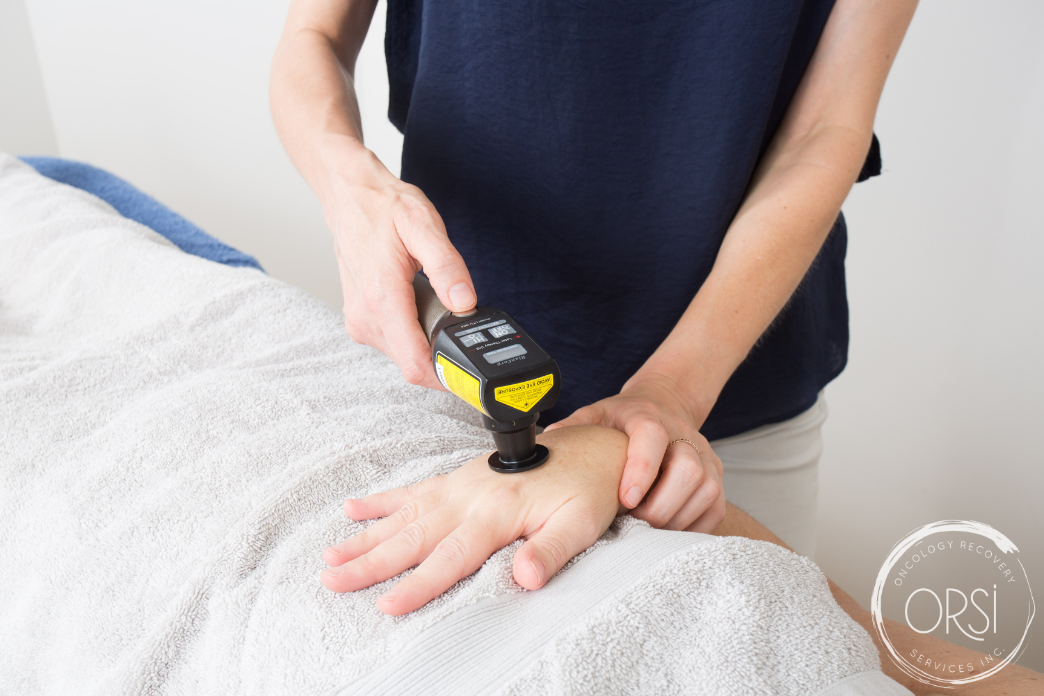
Your rehab will always be tailored to your individual needs, goals, and stage of recovery. It may include:
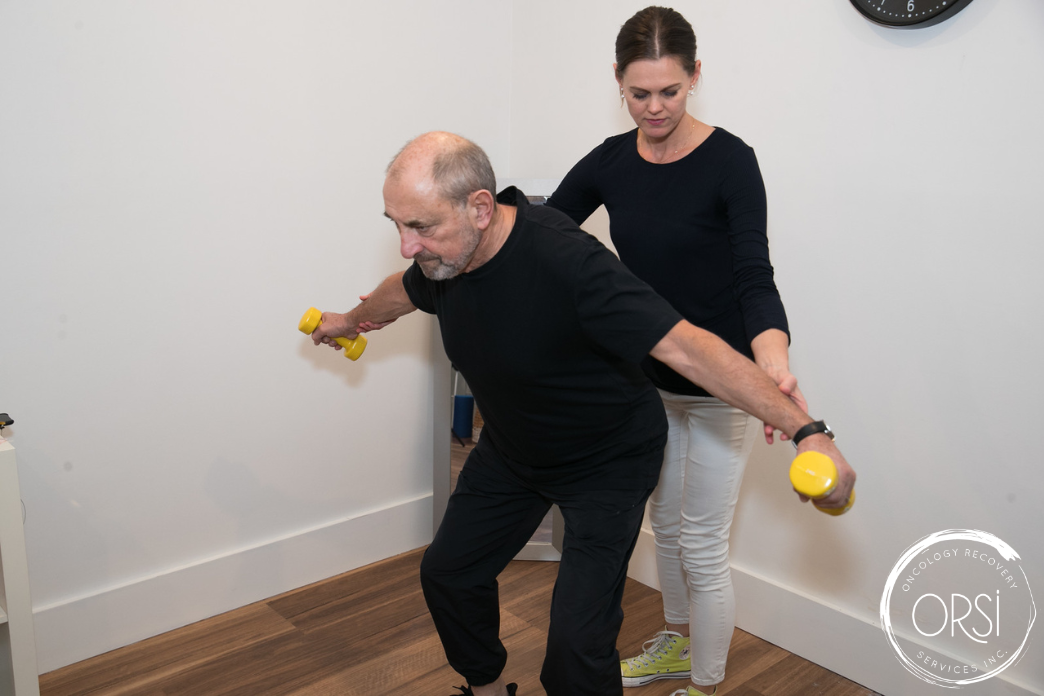
- Strengthening exercises for shoulder stabilisers (trapezius, serratus anterior)
- Range of motion drills to restore flexibility
- Postural advice and functional movement retraining
- Scar care and education
- Support with pacing and fatigue management
Is Home-Based Rehab Enough?
In the Australian RCT by McGarvey et al., the intervention group had better outcomes than those who received only an advice brochure and self-directed home exercises. However, by 6–12 months, both groups improved—suggesting that home-based rehab can still be beneficial, especially when started early and supported by a professional.
When Should I Seek Help after Neck Dissection?
You don’t need to “wait it out.” Seek physiotherapy if:
- You feel ongoing shoulder weakness, pain or restriction
- You notice changes in your shoulder posture or arm movement
- You’re preparing for, or recovering from, neck dissection surgery
- You want to return to work, sport, or hobbies with confidence
Final Takeaway
Shoulder dysfunction after neck dissection is common, but treatable. Early, targeted physiotherapy focused on restoring shoulder strength and mobility can reduce pain, improve quality of life, and support your recovery goals.
At Oncology Recovery Services, we understand the complexity of head and neck cancer recovery and offer compassionate, evidence-based support at every stage.
References
– McGarvey AC et al. (2014). https://pubmed.ncbi.nlm.nih.gov/37274969/
– McGarvey AC et al. (2017). https://www.ejso.com/article/S0748-7983(16)30966-0/abstract
– Carvalho A et al. (2012). https://pubmed.ncbi.nlm.nih.gov/35949697/
– Daskivich TJ et al. (2017). https://pubmed.ncbi.nlm.nih.gov/27956321/