
What causes lymphoedema?
Lymphoedema is caused by failure of the lymphatic system which is no longer effectively removing excess fluid from the tissues. There are many reasons why the lymphatic system may fail including:
- Trauma to the area
- Wounds
- Surgery
- Radiotherapy/surgery related to cancer treatment
- Acute infection
Lymphoedema is separated into 2 categories:
- Primary – congenital due to abnormal development of the lymphatic system
- Secondary – caused by damage to a normally functioning lymphatic system
Lymphoedema may also occur due to chronic oedema over a long period of time. Oedema in the legs can be a result of, but not limited to, cardiac or kidney conditions, lack of mobility, medications, chronic venous insufficiency, obesity, pregnancy, and long periods of sitting/standing.
How to help manage lymphoedema
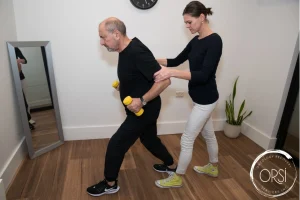
- Exercise
- Compression
- Elevation
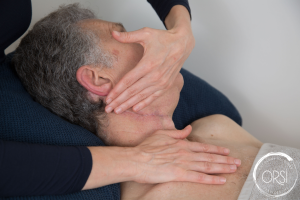
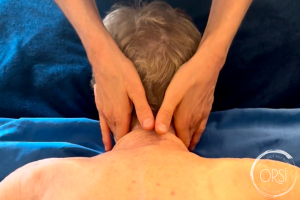
- Lymphatic drainage massage
- Surgery
Complications of lymphoedema in the feet
- Cellulitis: The risk of bacterial skin infections, such as cellulitis, is increased due to the compromised lymphatic system, leading to inflammation and potential infection.
- Fungal Infections: The accumulation of moisture and changes in skin texture can create an environment conducive to fungal infections, such as athlete’s foot.
- Changes in Nail Growth: Changes in the nails, such as thickening, ingrowing nails, and fungal infections.
- Skin Changes: Long term oedema may lead to changes in skin texture, making it more susceptible to cracking, peeling, and other skin abnormalities.
- Limited Mobility: Severe cases of lymphoedema can result in restricted mobility and changes to gait, resulting in high plantar pressure areas and ulceration.
- Reduced Wound Healing: Lymphoedema can impair the normal healing process, leading to delayed wound healing and an increased risk of infections.
How can a podiatrist help?
Lymphoedema can lead to skin changes of the affected limb. As the accumulation of protein-rich fluid and waste in the body’s tissues increases, the body releases inflammatory cells which result in further thickening of the skin (fibrosis). Fibrosis can lead to skin breakdown, ulceration, and infection.
Lymphoedema increases your risk of infection due to the immune cells that fight infection unable to reach the site due to excessive oedema. Additionally, due to excessive oedema wound healing time is increased, resulting in an increased risk of infection.
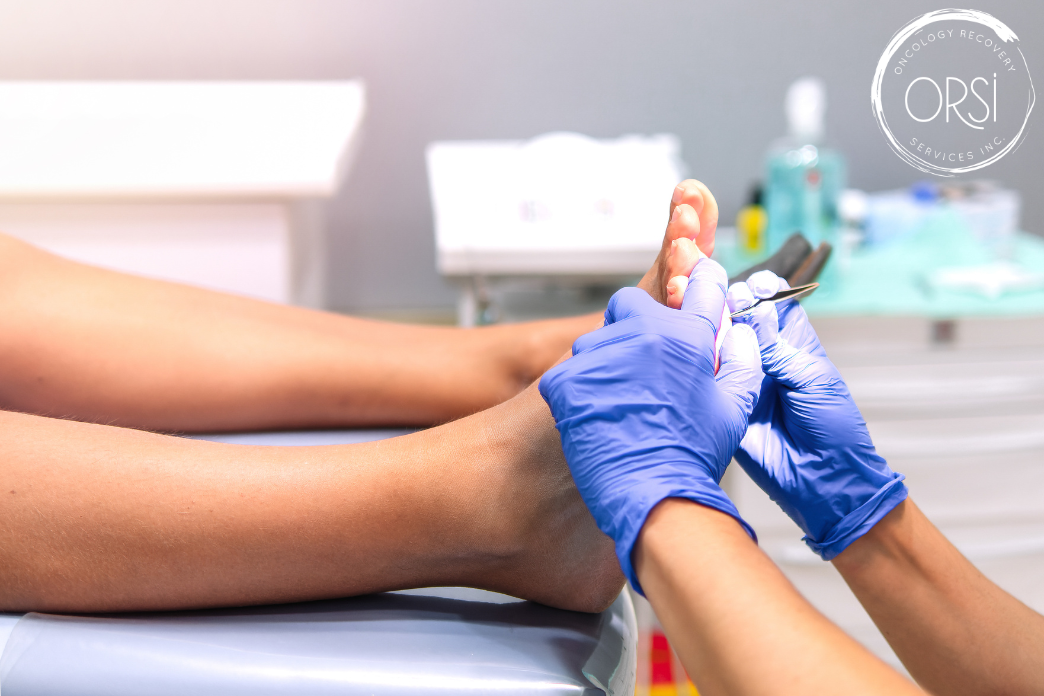
Podiatrists provide valuable support and care in managing risks associated with lymphoedema. Here are some ways podiatrists can help:
- Providing specialised nail and skin care: The skin quality of the affected limb becomes fibrotic and hardened, making it more susceptible to breaking down, ulcerations, and infection. Additionally, skin folds are susceptible to fungal infections leading to skin breakdown and infection.
- Regular lower limb monitoring and assessment of risk factors: Regular podiatry visits ensure that early signs of risk factors that lead to skin breakdown, infection, ulceration can be addressed to prevent further complications.
- Offering education and advice on how to avoid infections and complications.
- Assessment of high plantar pressure areas. Hard skin (callous) is the result of repeated pressure or friction in load bearing areas on the plantar surface of the feet. Excessive callous can increase the risk of fissures, wounds, and infection.
- Orthoses: Prefabricated or custom-made orthoses are devices to support and improve the biomechanical function of the feet. Orthoses can offer cushioning, support, and stability.
- Footwear education regarding the important features to accommodate oedema. These include extra depth and width, soft materials, adjustable closures, seamless lining, breathable, removable insoles, cushioning, support, and non-slip soles.

Written by Kelly May (B.Pod)
Book a podiatry appointment here or call 0421 548 287 for more information.