
How Do Cancer Treatments Affect Your Hormones?
Hormonal changes after cancer treatment are common, but not often talked about. These changes occur through various treatment methods, including chemotherapy, radiation, surgery, and hormone therapy itself. Both men and women can experience significant hormonal disruptions that affect their daily lives.
When experiencing hormonal changes after cancer treatment, you might notice variations in energy levels, mood fluctuations, sleep patterns, and body composition. For women, this might include menopausal symptoms, while men may experience changes related to testosterone levels.
Hormonal changes after cancer treatment vary depending on:
– The type of cancer treatment received
– Duration of therapy
– Individual response to treatment
For women undergoing breast cancer treatment, hormone therapy may involve:
– Tamoxifen
– Aromatase inhibitors
– Ovarian suppression
For men receiving prostate cancer treatment, hormone therapy might include:
– Androgen deprivation therapy (ADT)
– Anti-androgen medications
How Can You Manage Hormonal Changes after Cancer?
1. Exercise Routine:
– Start with gentle activities like walking, swimming, or yoga
– Aim for 150 minutes of moderate activity per week, divided into manageable sessions
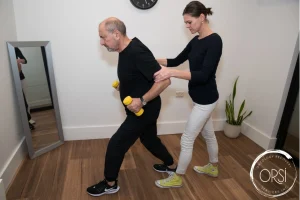
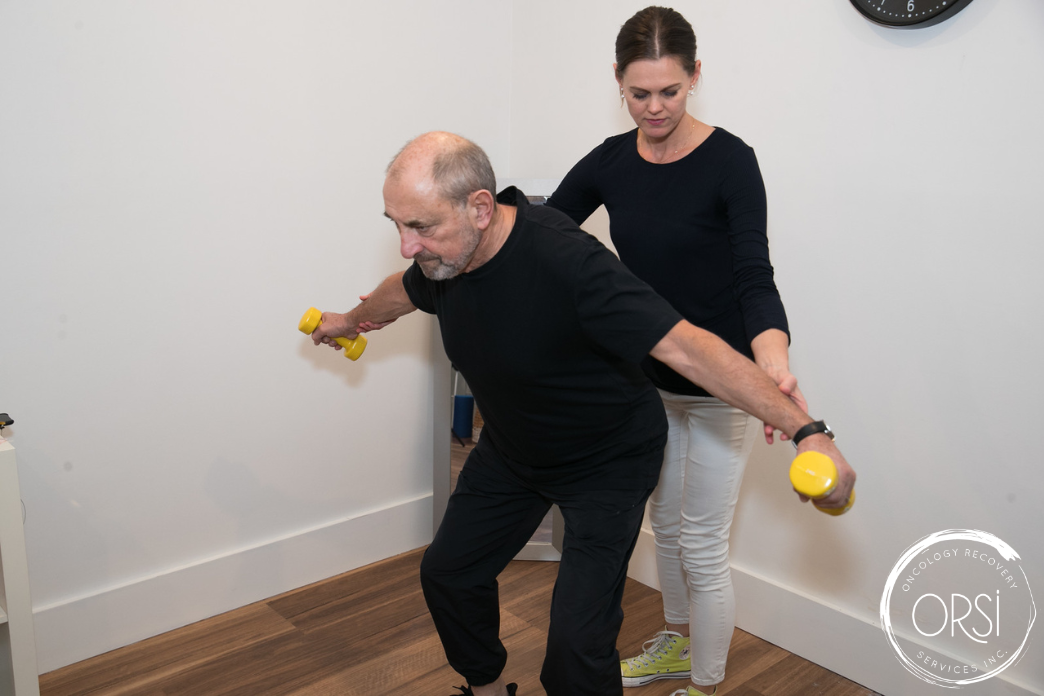
– Include light resistance training to maintain muscle mass (with doctor’s approval)
– Listen to your body and adjust intensity based on energy levels
– Consider working with a physiotherapist or exercise physiologist specialising in cancer care
2. Stress Reduction Techniques:
– Practice mindfulness meditation (10-15 minutes daily)
– Try progressive muscle relaxation
– Use deep breathing exercises
– Consider joining cancer support groups
– Engage in gentle yoga or tai chi classes designed for cancer patients
3. Dietary Modifications:
– Eat regular, balanced meals to help stabilise hormone levels
– Include plenty of fiber-rich foods
– Stay well-hydrated
– Limit caffeine and alcohol consumption
4. Sleep Optimisation:
– Maintain a consistent sleep schedule
– Create a cool, dark sleeping environment
– Practice good sleep hygiene (limit screen time before bed)
– Consider using relaxation techniques before bedtime
– Take short naps during the day if needed (20-30 minutes maximum)
5. Complementary Therapies:
– Acupuncture
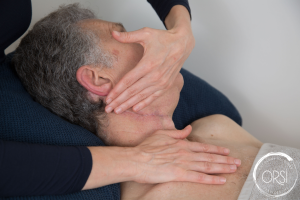
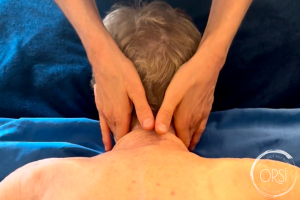
– Gentle massage therapy
– Cognitive behavioural therapy
– Art or music therapy
6. Lifestyle Adjustments:
– Wear layered clothing for hot flashes
– Keep a symptom diary to identify triggers
– Use a fan or cooling products when needed
– Schedule activities during peak energy times
– Take regular rest breaks throughout the day
Yoga Therapy
Cancer Council Australia recognises yoga as a beneficial complementary therapy. Yoga can help:
– Reduce stress hormone levels
– Support endocrine system function
– Improve sleep quality
– Balance energy levels
– Enhance body awareness
Remember, you’re not alone with this experience. Hormonal changes after cancer treatment are common, but there are simple and easy to follow strategies you can implement. Whether you’re in a metropolitan area or regional Australia, support services are available to help you navigate these changes and maintain your quality of life during and after cancer treatment.
References
1. Cancer Australia (2023). Hormone Therapy Guidelines.
2. Clinical Oncology Society of Australia (2018). Position Statement on Exercise in Cancer Care.
3. Cancer Council Australia (2023). Understanding Hormone Therapy Fact Sheet.
4. eviQ Cancer Treatments Online (2023). Hormone Therapy Protocols.