

March is always a busy month at Oncology Recovery Services Inc., Sydney’s most established cancer rehabilitation centre. It is the time of year when the global lymphoedema community comes together to raise awareness about this chronic condition. This year we decided to conduct patient interviews and share what we have learnt from each participant. We believe that exploring how lymphoedema impacts on individuals’ daily living, and learning how they manage their condition, can help us practitioners optimise our treatment regimes. In this blog, we will share some patient experiences and provide an insight into how they live with and manage their lymphoedema.
The impact of lymphoedema on daily living
Lymphoedema is a chronic swelling that is localised to a particular body part. Depending on the cause, lymphoedema is referred to as either primary or secondary. While primary lymphoedema is caused by a congenital malformation of the lymphatic system, secondary lymphoedema is a result of a disruption or damage, such as surgical removal of lymph nodes or radiation therapy. Depending on the location and the severity of the swelling, lymphoedema can impact on people’s lives in various ways.

Breast cancer-related lymphoedema most often occurs in the upper limb. This can impact on the function of the arm and or the hand. In the case of our interviewee Nicolette, who has severe right upper limb lymphoedema due to metastatic breast cancer, the arm function was severely limited. Nicolette was not able to move her arm in any way.
“It was like dead weight, I had no movement in it whatsoever, I had no function.”
– Nicolette
When lymphoedema affects the lower limb, it can impact on patients’ gait or prevent them from engaging in prolonged activities that require exposure to gravity, as this can exacerbate the swelling. This is the case of a young woman living with primary lymphoedema who has to keep her showers short, as standing without compression increases the swelling in her leg. Similarly, our interviewee Yun, another young woman living with primary lower leg lymphoedema, told us how wearing her stocking helps her with the effect of gravity on her lymphoedema.
“I wear my compression stocking when I cook for a long period of time.”
– Yun
Lymphoedema can, in many cases, impact on the way patients dress. People with lymphoedema often require looser clothing to accommodate the size difference in the leg or the arm. Many people with lymphoedema tend to hide their swollen limb. Regular shoes may not fit the foot that is affected by lymphoedema. Our interviewee Ian, who was a victim of a motorcycle accident, developed severe lower leg and ankle oedema as a result of the trauma and subsequent surgeries to save his leg. He has to wear specialised shoes and compression stockings to assist with the management of his swelling.
“If I don’t wear my compression garment during the day, it (the leg) swells a lot more.”
– Ian
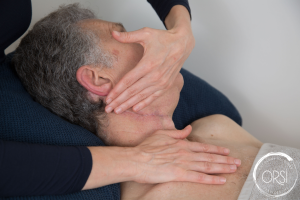
When lymphoedema affects the face or neck region in patients after head and neck cancer treatment, the consequences can be severe. Not only can the swelling impact on patients’ appearance and alter their sense of self, but swelling, especially when internal around the area of the tongue or throat can change speech, hinder swallowing and even impact on breathing. This is what Alan, a gentleman living with head and neck lymphoedema, reported us in his interview.
“My breathing is worse at night when I am horizontal.”
– Alan
Further to the impact of positioning or gravity on function, heat and humidity are known to make swelling worse for many people. Patients often report an exacerbation of their lymphoedema during the summer months. This is the case of Conny, a young woman living with arm lymphoedema due to breast cancer.
“In summer when it’s really hot and humid, my arm gives me a lot more trouble.”
– Conny
A number of factors can impact on patients’ daily living with lymphoedema, including the severity and the location of the swelling, lifestyle factors and the climate people live in. We, therefore, need to have an individualised approach to lymphoedema management.
Management strategies: what works for some, may not work for others
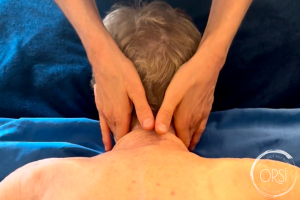
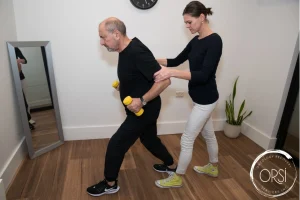
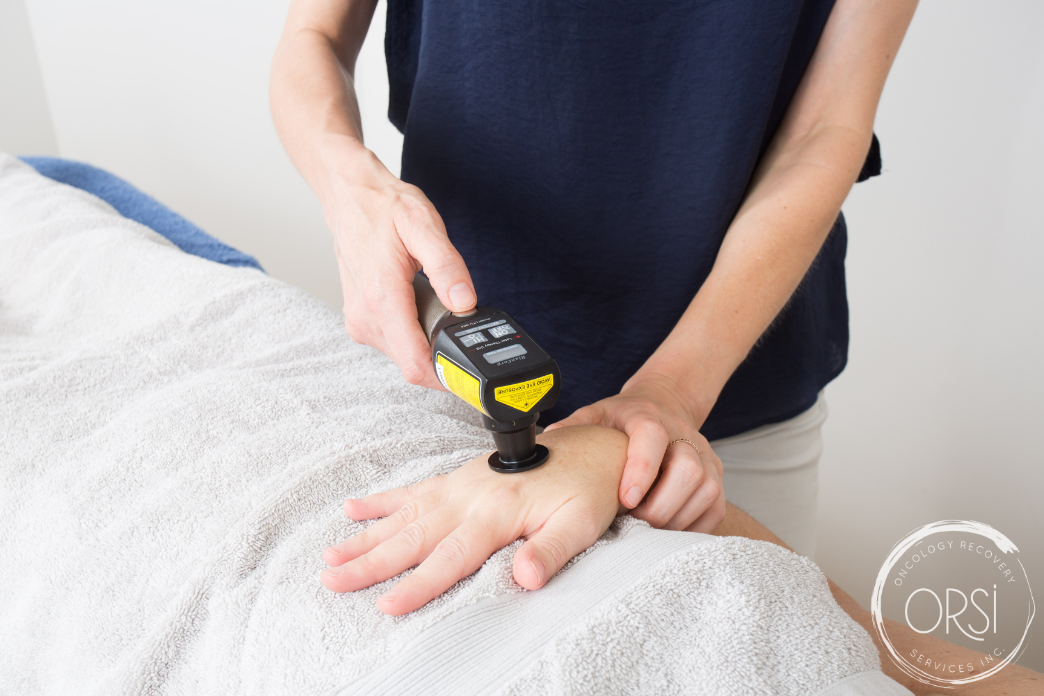
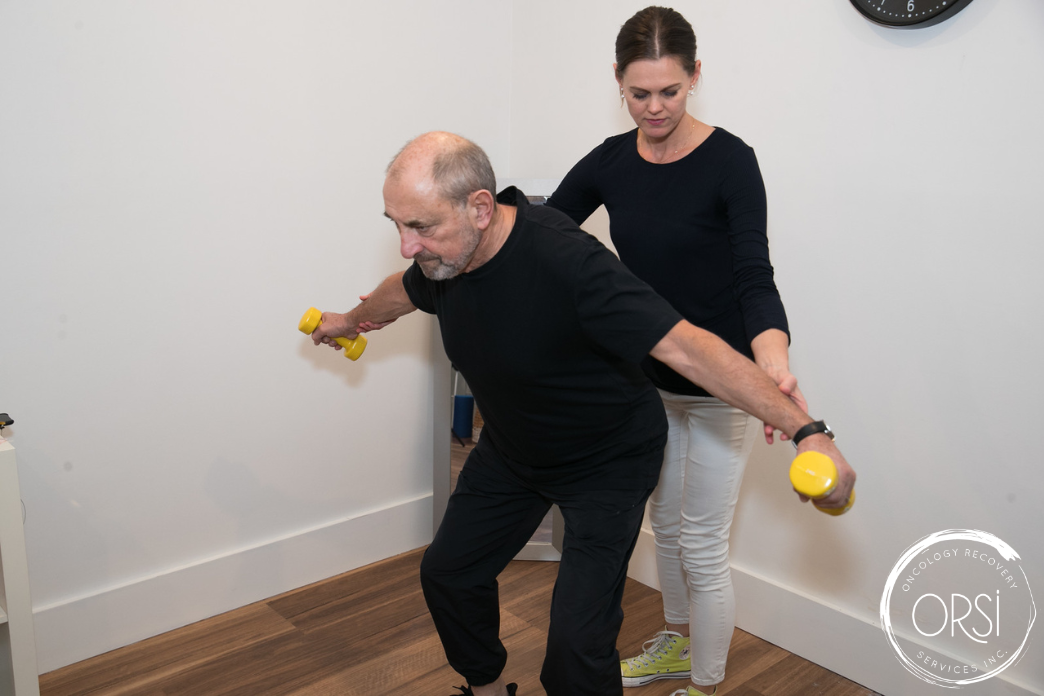
The goal of managing lymphoedema is to reduce the swelling as much as possible and to maintain the reduction at a level with the least impact on function. Management strategies often include compression, exercises, lymphatic massage, elevation, and laser therapy. Managing lymphoedema is often not a straightforward process. What will work for some, may not work for others. Here are a few responses from our interviewees to the question of what helps them manage their lymphoedema:
“Compression is good, and the massage helps as well, but most certainly elevation is the key to it at night-time. Sometimes it is a bit of trial and error, what works for me, may not work for somebody else.”
– Ian
“We started with some simple massaging and worked out how to bandage my fingers. Getting me to do some exercises also helped a lot.”
– Nicolette
“Every fortnight I have a maintenance treatment with laser and leg massage. The compression garment is now my best friend.”
– Yun
“I was given some exercises to do daily, but I was so bored with them, I couldn’t stand them anymore. So I got slightly different exercises and was encouraged to try different things. I started swimming, which works really well for me.”
– Conny
We believe that considering patients’ lifestyles and personal preferences is important in ensuring long-term success in managing lymphoedema. An experienced lymphoedema practitioner will be able to provide individualised advice that suits your needs and lifestyle. Our team at Oncology Recovery Services Inc. in Sydney is highly trained in the management of lymphoedema. We believe that successful management requires the patient to be considered part of the team. Our work starts with listening to you.
Written by Orsi Kokai and Catalina Llanos