What is Oncology Massage?
Oncology Massage is a special form of massage therapy designed to improve the quality of life for people with a cancer diagnosis.
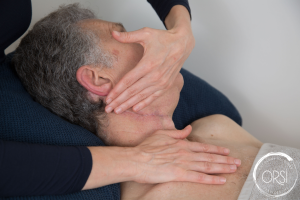
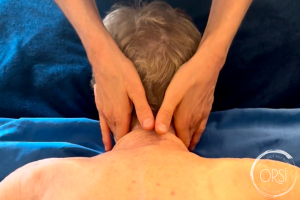
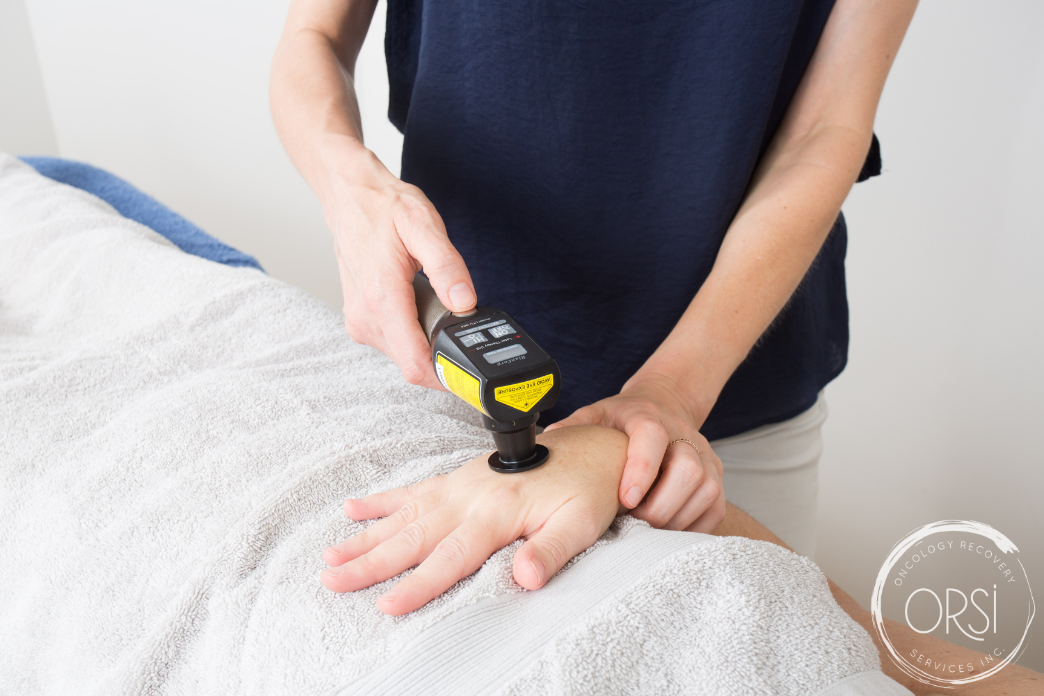
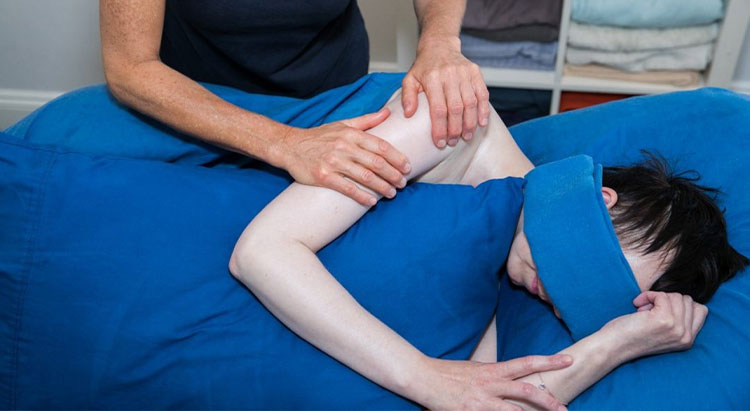
Oncology massage is a soft tissue manipulation that uses light touch and gentle movement. Using the whole hand while applying slow and light touch to the limbs, the massage therapist follows the flow of the lymphatic system. This encourages fluid transport and the removal of waste products from the tissues. Where appropriate, gentle abdominal massage can be applied, as well as a variety of holding positions such as mild traction of the neck or a gentle holding the back of the head.
Due to these gentle techniques, oncology massage is safe to perform on anyone with a cancer diagnosis even during cancer treatment. It can be performed as part of palliative care or for people recovering from their cancer treatment. At Oncology Recovery Services Inc. we treat a number of our patients during or after their chemotherapy. The aim of oncology massage is to assist with reducing common cancer related symptoms or side effects from cancer treatment such as:
- pain
- fatigue
- anxiety
- nausea
- hot flushes
- sleep disturbances
- changes of appetite
- mood disorders
- peripheral neuropathy

Oncology massage therapists to be included in cancer care
Specialist training should be undertaken to safely address the specific needs of cancer patients. Important considerations when planning and performing oncology massage are the application of appropriate levels of pressure, possible site restrictions due to tumor location and the length of the massage session.
The specialised oncology massage therapist is aware of the patient’s past and current conditions, medications and treatments. This is important, as cancer patients may be:
- at higher risk of easy bruising particularly if they are on blood thinners or have bleeding tendencies
- at greater risk of skin irritation due to chemotherapy drugs and radiation induced skin changes
- immune-suppressed due to chemotherapy or other treatments
- at risk of reduced bone density in response to steroid use or the disease process itself, metastases to bony sites, radiation therapy or certain chemotherapy drugs
- on pain-medication, which lower their awareness of normal pain threshold in response to massage
- sensitive due to chemotherapy-induced neuropathy in the hands and feet
- at risk of lymphoedema, especially after surgical removal of lymph nodes and or radiotherapy
Research into Oncology Massage
The concept of oncology massage, a positive touch experience, has been supported by research on breast cancer patients undergoing chemotherapy. Oncology massage was shown to:
- offer a distraction from the frightening experience of cancer treatment
- turn the negative experience of cancer treatment into a more positive one
- offer a sense of relaxation
- reaffirm the concept of feeling good
Research shows that light-touch massage improves common symptoms and side effects from cancer treatment such as pain, fatigue, nausea and anxiety and is also beneficial for cancer-related depression and mood disorders.
A 2008 study further demonstrated that a significant reduction in cortisol levels (stress hormone) could be achieved through a single 20-minute oncology massage with associated improvement in psychological well-being.
A 2021 study investigated 226 breast cancer patients receiving oncology massage during and after their cancer treatment. It reported reduction in pains and aches, significant improvement in swelling, stiffness, range of motion, scar discomfort, as well as a notable improvement in emotional wellbeing.
Massage for caregivers of cancer patients?
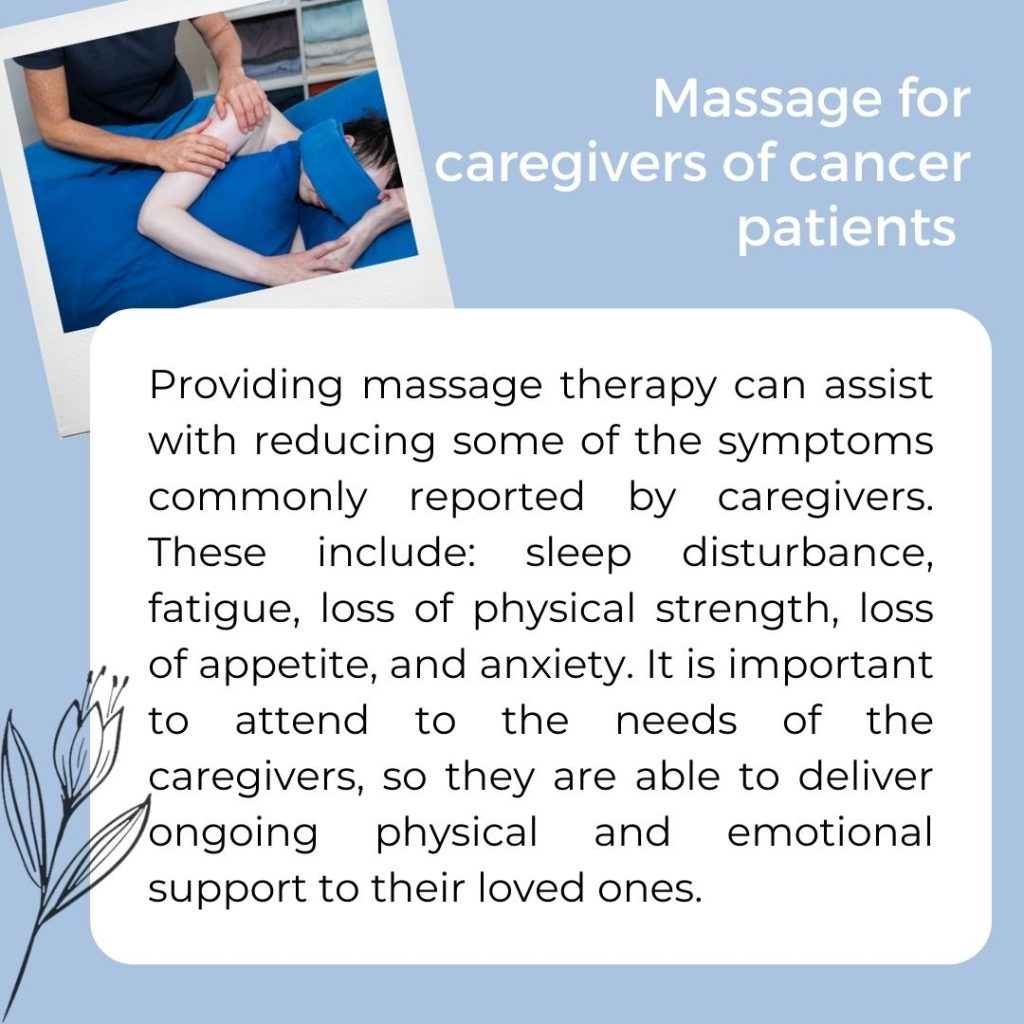
Caring for people with cancer can be physically and emotionally challenging. Caregivers of cancer patients report to frequently experience significant physical, psychosocial, and economic problems. The most often reported problems in caregivers of cancer patients include sleep disturbance, fatigue, loss of physical strength, loss of appetite, and anxiety. Providing massage therapy can assist with reducing some of these symptoms. It is important to attend to the needs of the caregivers, so they are able to deliver ongoing physical and emotional support to their loved ones.
Written by Tineke Rietveld and Orsi Kokai