

Are you constantly feeling exhausted, no matter how much rest you get? You might be struggling with cancer-related fatigue (CRF). Cancer-related fatigue is a common side effect of cancer and its treatment. It can make everyday activities feel like a challenge, impacting your quality of life.
You can however learn how to deal with and manage CRF to live a more fulfilling life.
What is cancer-related fatigue?
Fatigue is a state of extreme tiredness or lack of energy, commonly referred to as exhaustion. Fatigue persists even when a person appears to be getting enough sleep.
Cancer-related fatigue refers to the fatigue that frequently accompanies cancer. It is reported by 80 per cent to 100 percent of cancer patients.
Cancer-related fatigue is distinct from everyday fatigue, and the tired feeling people may recall having before being diagnosed with cancer.
Causes of cancer-related fatigue
- Cancer as well as cancer treatments
The causes of cancer-related fatigue are frequently more challenging to pinpoint because multiple factors are at play. It could be caused by the cancer itself or by a side effect of the cancer treatment. The exact cause of fatigue caused by cancer and treatment is unknown, but some possibilities include:
Cancer and cancer treatment can alter normal protein and hormone levels, which are linked to inflammatory processes, causing or exacerbating fatigue.
Cancer treatments such as chemotherapy or radiation kill both normal and cancer cells, resulting in a buildup of cell waste. Extra energy is expended by your body to clean up and repair damaged tissue.
- Other factors contributing to fatigue may include:
- surgery
- increased worry and stress
- reduced activity levels/ physical inactivity
- blood counts, electrolytes, and hormone levels may change
- medication, such as pain relievers
- treatment side effects such as low red blood cell count (anaemia)
- pain
- changes in your diet
- weight gain or loss
- changes in mood, including depression
- disrupted or insufficient sleep
- other health issues, such as an infection
What does cancer-related fatigue feel like?
Cancer patients may describe their symptoms as being weak, listless, drained, or “washed out,” which may go away for a while but then return. The severity and extent of your symptoms can vary from day to day.
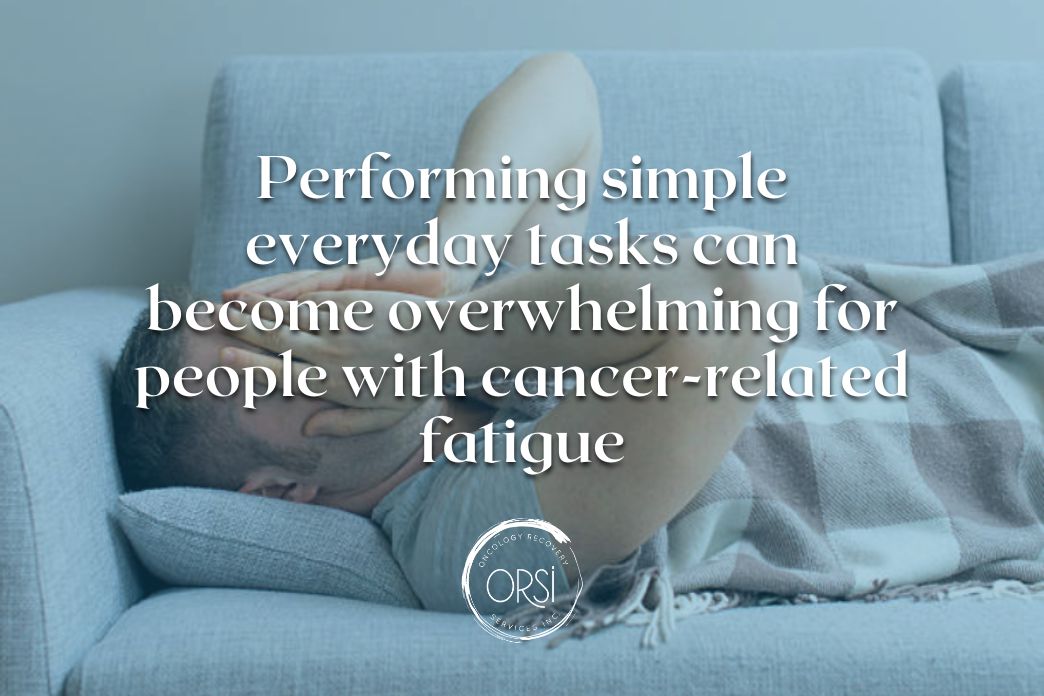
It can be exhausting to think, talk or move. Some people may be too tired to perform simple everyday tasks such as eating, walking to the bathroom, or even using the remote control. Rest may only help for a short time.
For many patients the ongoing fatigue can be very distressing.
Signs of CRF can include:
- tired eyes
- tired legs
- whole-body tiredness
- a sense of feeling overwhelmed
- lack of energy
- inability to concentrate
- overall weakness
- lack of motivation
- sleepiness
- increased irritability
- nervousness
- anxiety
- impatience
How long does cancer-related fatigue last?
Cancer and its treatment can cause fatigue for weeks, months, or even years. The fatigue often persists after treatment has ended.
When people receive chemotherapy, targeted therapy, or immunotherapy in cycles, fatigue often worsens at first, then improves until the subsequent treatment, when the pattern repeats.
According to the American Cancer Society, for those receiving radiation therapy, fatigue usually worsens as the treatment progresses and often improves within a few months of completion.
The effects of cancer-related fatigue
The severity and duration of symptoms can vary between individuals, however CRF has been shown to often impact on your physical and emotional wellbeing as well as your social interactions.
- It can impair your ability to think clearly or focus.
- You may find it difficult or exhausting to spend time with friends and family.
- It can lead to depression.
- It is difficult for you to do things you usually do, such as going to work.
- It may be difficult for you to stick to your cancer treatment plan.
How can you overcome cancer-related fatigue?
To combat cancer-related fatigue it is important to investigate and address the underlying cause. However, the precise cause can sometimes be unknown, or multiple reasons may co-exist. It is important to talk to your medical team about the symptoms you are experiencing. Your GP or specialist can look at your medications and their side effects, or initiate a blood test as part of the investigation. Specific causes of cancer-related fatigue, such as anaemia or hypothyroidism, can be treated.
Other strategies for managing cancer-related fatigue include reviewing and modifying your current lifestyle including nutrition and physical activities.
- Nutrition
It is recommended by the Australian Dietetics Association to eat as healthily as possible and to reduce processed foods, drink plenty of water, and abstain from smoking and alcohol.(link)
- Physical activity
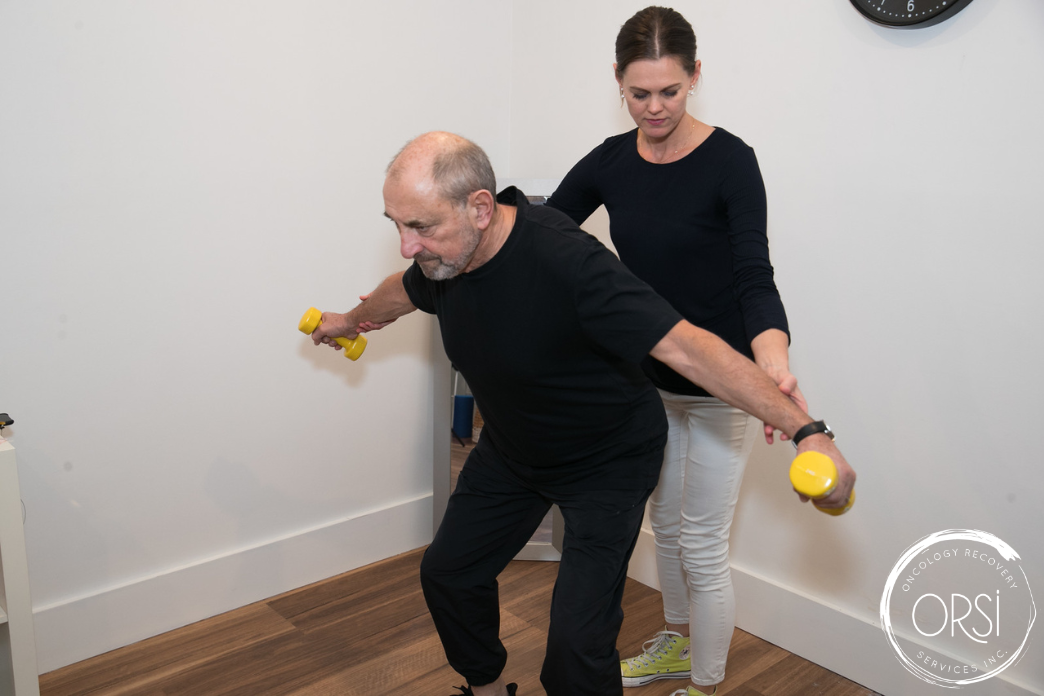
Research has shown that including appropriate exercises into your daily routine can help combat cancer-related fatigue. Specialist physiotherapists or exercise physiologists can assist with developing safe and appropriate exercise programs to suit your current level of energy levels, abilities and circumstances.
- Massage therapy
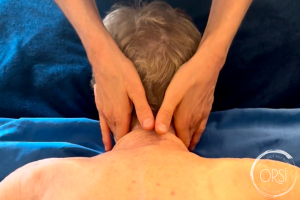
Applying gentle massage techniques are shown to reduce anxiety, promote relaxation and improve sleep.

Cancer-Related Fatigue: Summary
Managing cancer-related fatigue is essential to cancer care. If you are experiencing ongoing fatigue that does not improve with rest or sleep consult your medical team about support and treatment options. Individualised exercise programs, professional nutritional advice and massage therapy for relaxation are some of the ways that may help manage CRF.