

June marks Lipoedema Awareness Month, a crucial opportunity to shine a light on a commonly misunderstood and underdiagnosed condition that affects millions of women worldwide. At our clinic we often encounter patients with lipoedema, sometimes without even knowing they have it.
What Is Lipoedema?
Lipoedema is a chronic condition marked by the symmetrical accumulation of fat in the legs, hips, buttocks, and sometimes arms. A key feature is that the hands and feet remain unaffected, helping distinguish lipoedema from lymphoedema or general obesity.
This condition, which may affect up to 10–11% of women, often presents during times of hormonal change such as puberty, pregnancy, or menopause. It has a strong genetic component and is not caused by lifestyle factors, though it is frequently misdiagnosed as simple weight gain or obesity.
Recognising the Signs
Diagnosing lipoedema is clinical, based on:
- Symmetrical fat deposition in the limbs, sparing the hands/feet
- Pain and tenderness, especially to touch or pressure
- Easy bruising
- Resistance to weight loss
- A negative Stemmer’s sign (pinching of a skin fold on the second toe, a test used to differentiate from lymphoedema)
Misdiagnosis is common, and many women are advised to lose weight with little or no success—an approach that often worsens the psychological burden.
Lipoedema vs Lymphoedema: Why the Difference Matters
Understanding the distinction between lipoedema and lymphoedema is essential for proper management.
| Feature | Lipoedema | Lymphoedema |
| Onset | Hormonal (puberty, pregnancy) | Congenital or acquired (e.g. surgery) |
| Symmetry | Bilateral and symmetrical | Often unilateral |
| Feet involvement | Spared | Common |
| Pain | Common | Less common |
| Skin texture | Smooth, bruises easily | May feel thickened or firm, pitting |
The Physical and Emotional Impact
Lipoedema causes more than visible changes. Chronic pain, reduced mobility, and poor self-image are common.
Management Strategies
While there is no cure, lipoedema can be effectively managed through a multidisciplinary, patient-centred approach. Key components include:
- Exercise Therapy
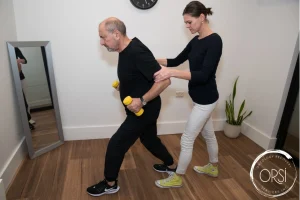
Exercise improves mobility and reduces inflammation. Tailored exercise, including aquatic therapy, benefits limb function and reduces discomfort.
- Compression Therapy
Compression garments help manage symptoms by supporting the tissue and reducing pain. Though they do not reduce fat volume, their anti-inflammatory effect is significant, particularly when combined with movement therapy.
- Weight Management & Nutrition
Lipoedema fat is resistant to weight loss, but maintaining a healthy weight can prevent worsening symptoms. Nutrition support should focus on health and energy, not weight loss.
- Psychosocial Support
Body image issues, fatigue, and frustration can lead to depression and social withdrawal. Counselling and support groups are critical for long-term wellbeing.
- Surgical Intervention
In some cases, lymph-sparing liposuction can significantly reduce pain and improve mobility. Surgery is not a cure and is only advised after consistent conservative management. Lifelong aftercare is essential.

Lipoedema Awareness Month is our chance to educate, support, and advocate. If you or someone you care about is living with unexplained leg swelling, discomfort, or fat distribution, lipoedema may be the missing link. You are not alone, and effective care is available.
At our clinic, we’re committed to empowering patients with compassionate, evidence-based care – because every woman deserves to feel better in her body.
Contact us today for an assessment or to learn more about our lipoedema and lymphoedema services.