
How a physiotherapist can help to reduce the side effects of treatment
July 27th is World Head and Neck Cancer Day. At Oncology Recovery Services Inc., we are taking this opportunity to raise awareness about the physical side effects related to head and neck cancer treatment and how to manage them.
Treatment for head and neck cancer may include:
-surgery
-chemotherapy
-radiation therapy
These interventions can save your life but may leave you with some potentially long-term side effects.
Side effects of head and neck cancer surgery
One of the side effects of head and neck surgery is the injury to the accessory nerve. The accessory nerve innervates the trapezius muscle and controls its movement. The trapezius muscle is the large muscle sitting on top of the shoulder and runs towards the neck. It is involved in arm and neck movements. This muscle plays an important role in the raising of the arm, especially above the head. Injury to this nerve, therefore, can affect the function of this muscle, resulting in weakness and reduced shoulder and neck movement.
Surgery further causes scarring, local swelling, and potential tissue thickening. This can lead to additional side effects such as:
-pain around the neck, face or inside the mouth
-altered sensations, such as numbness
-limited mouth opening
-swallowing difficulties
-altered speech
These side effects can impact on everyday activities.
Side effects of radiotherapy and chemotherapy for head and neck cancer
The side effects of radiation treatment tend to be localised to the area that is being treated. Radiation burns the skin and causes tissue and vascular stiffness, resulting in skin and or muscle tightness and local swelling. Patients can further experience:
-marked skin redness
-burning sensation
-reduced neck or jaw movement
-discomfort
-dry mouth
The side effects of radiotherapy are usually exacerbated if chemotherapy is also administered. This is because the chemotherapy increases the local toxicity of radiation.
What is head and neck lymphoedema?
A common side effect for patients who have been treated for head and neck cancer is lymphoedema.
Lymphoedema is the accumulation of fluid in the tissues, as a result of damage to the lymphatic system. The lymphatic system is responsible for fluid transport. It consists of a network of vessels, ducts and lymph nodes, which carry fluid from our tissues into the main blood circulation. The lymphatic system clears away waste products and excess fluid that naturally accumulates in our tissues. One major function of the lymphatic system is therefore to prevent fluid build-up.
When the lymphatic system is damaged from radiation and or the surgical removal of lymph nodes, the clearing function is compromised. Fluid can build up, resulting in swelling. It can present as a soft, painless swelling, but can also develop to a firm, thick consistency leaving skin indentations on pressure.
Head and neck lymphoedema can occur both internally and externally. When lymphoedema develops internally within the oral cavity or the throat, it can affect functions like:
-breathing
-speech
-swallowing
-chewing
Patients with internal lymphoedema commonly describe tightness in the throat, difficulty swallowing and sometimes breathing. External lymphoedema, located on the outside of the neck or around the face, may impact on neck or jaw movement. External lymphoedema, when severe, may lead to issues with body image and social avoidance.
How can a physiotherapist help head and neck cancer patients?
The physical side effects of cancer treatment very often have an impact on quality of life. The role of a specialist physiotherapists is to manage these physical limitations. Advanced understanding of the anatomy of the head and neck is the foundation of being a specialised head and neck physiotherapist.
Part of our job is to help patients understand the reasons behind their limitations. Explaining what happens when the nerves are damaged, why muscles are weakened, or why limitations of movement occur, is an important part of the management process. Describing the function of the lymphatic system and why swelling happens when it is compromised, ensures that the patient understands the process.
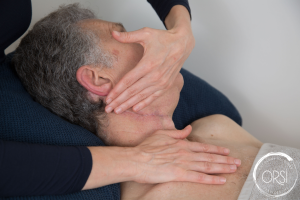
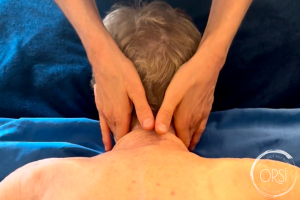
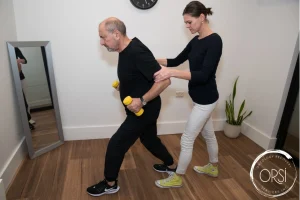
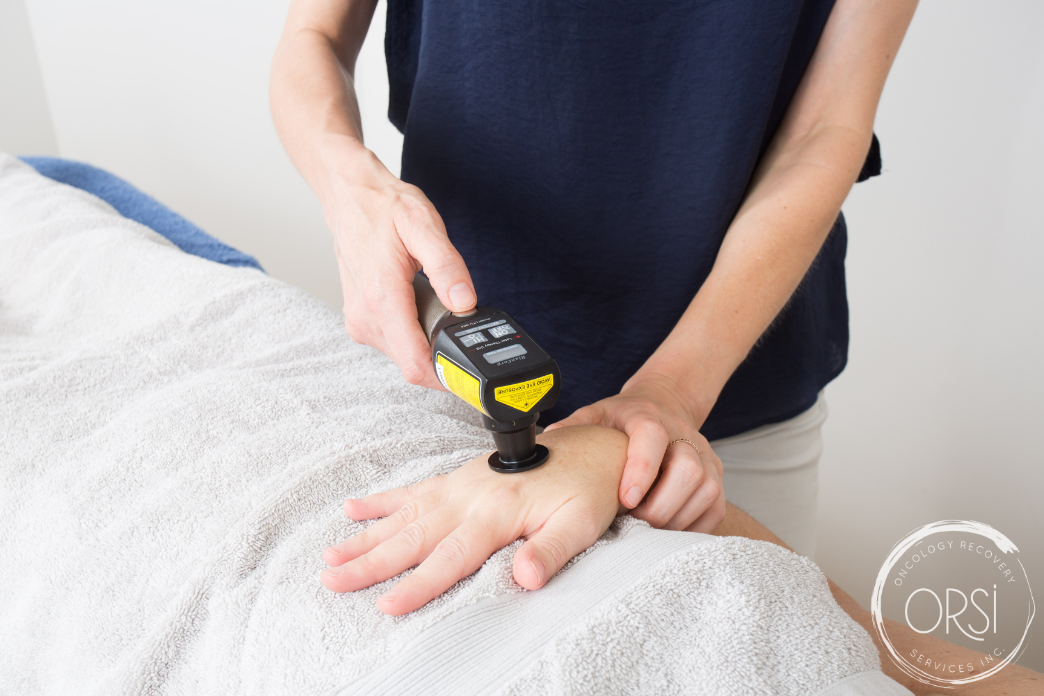
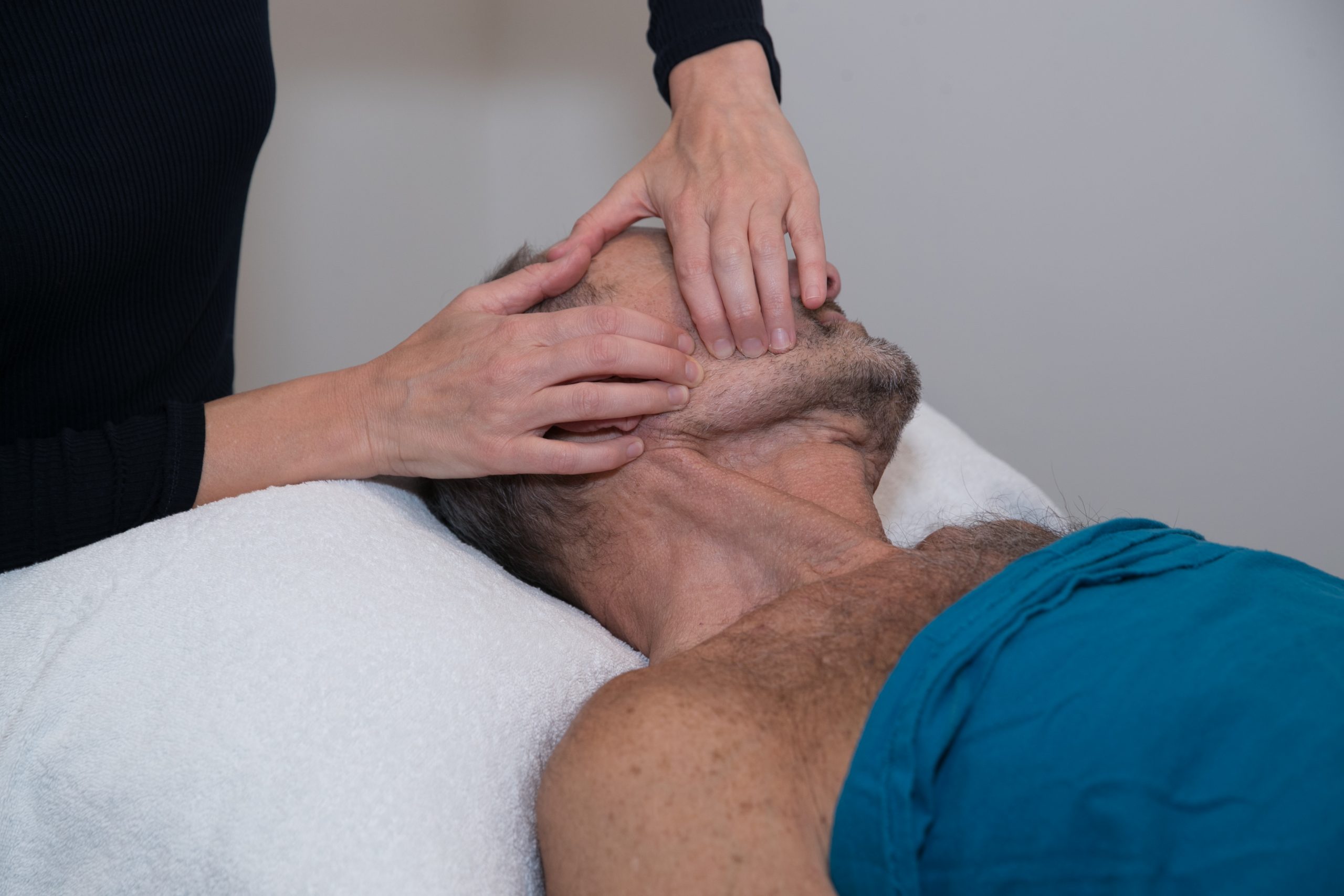
The next step is to identify the side effects such as muscle tightness or swelling during a thorough assessment, followed by applying targeted therapy. This can range from manual techniques to relieve tension and encourage correct muscle use, to prescribing exercises to gradually strengthen weakened muscles.
Head and neck lymphoedema, a common side effect, can be reduced by performing lymphatic massage to direct the fluid away from the affected areas. In addition, the application of compression around the head or neck area is sometimes recommended to assist with minimising swelling.
It is very important that patients report the side effects they are experiencing to their treating specialist, as early management can prevent manifestation of symptoms.
The role of the patient in their recovery
To work towards a fast recovery, we include the patient in the treatment and always prescribe self-management strategies. These include exercises, simple massage techniques to perform at home, or the correct use of compression. The severity of symptoms and the timing of the intervention determines the frequency of visits to the physiotherapist. Our motto is: The more you do, the less you will need us. Some of the side effects may however require ongoing monitoring or maintenance to prevent deterioration over time.
In summary
A head and neck specialist physiotherapist identifies and reduces physical side effects of head and neck cancer treatment. It is important to note that not all side effects develop immediately after cancer treatment. The role of a head and neck cancer specialist physiotherapist is not only to assess and treat the symptoms, but also prevent possible secondary side effects that may develop overtime.
Our team is highly specialised in cancer care and lymphoedema management. Our passion is to support you during and after your cancer treatment. We will always liaise with your treating team of doctors and other health care providers to provide best possible care.
For more information and some great resources, please visit: http://www.headandneckcancer.org.au