At Oncology Recovery Services Inc. , a clinic specialised in cancer care, we see a wide range of patients with a variety of symptoms that arise during or after their cancer treatment. Our team specialises in reducing these limitations.
Physical limitations of cancer treatment
Treatment for cancer may include different modalities such as surgery, radiotherapy, chemotherapy, hormone or immune therapy. As a result of these treatments, physical limitations may arise locally in the body part that has been treated, or affect the entire body, causing more systemic side effects. Local limitations can include muscle weakness or tightness, pain, reduced joint range of motion and limited function. Soft tissue changes may appear such as fibrosis, which is a thickening and firmness of the tissue, or lymphoedema, a chronic swelling of the treated body part. Systemic limitations may include overall muscle or joint pain, shortness of breath or cancer-related fatigue. The onset of local and or systemic side effects can vary. Some limitations occur immediately after cancer treatment, for instance, movement restriction of the neck after surgery for head and neck cancer. Other side effects may develop over time such as lymphoedema, or cancer-related fatigue, which can persist for years after completing cancer treatment.
The impact of cancer related side effects on daily living
Physical limitations caused by cancer treatment such as fatigue, oedema, or reduced movement, may negatively impact on daily activities and quality of life. Simple everyday tasks such as shopping for groceries, lifting grandchildren, driving, walking the dog, or even daily self-care can become difficult. Activities that involve lifting the arm above the head may be limited in patients who have had breast or head and neck cancer treatment, due to reduced shoulder movement and strength. Returning to activities such as working out at the gym, swimming, running or yoga can create a problem for some, due to ongoing fatigue, muscle weakness or pain. These physical limitations can further lead to a loss of confidence, an altered sense of self and may therefore negatively impact on the individual’s social life.
How can a physiotherapist help?
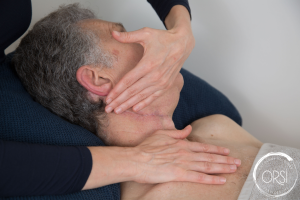
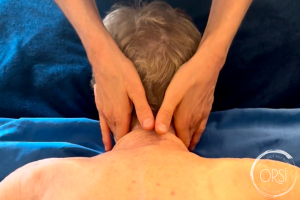
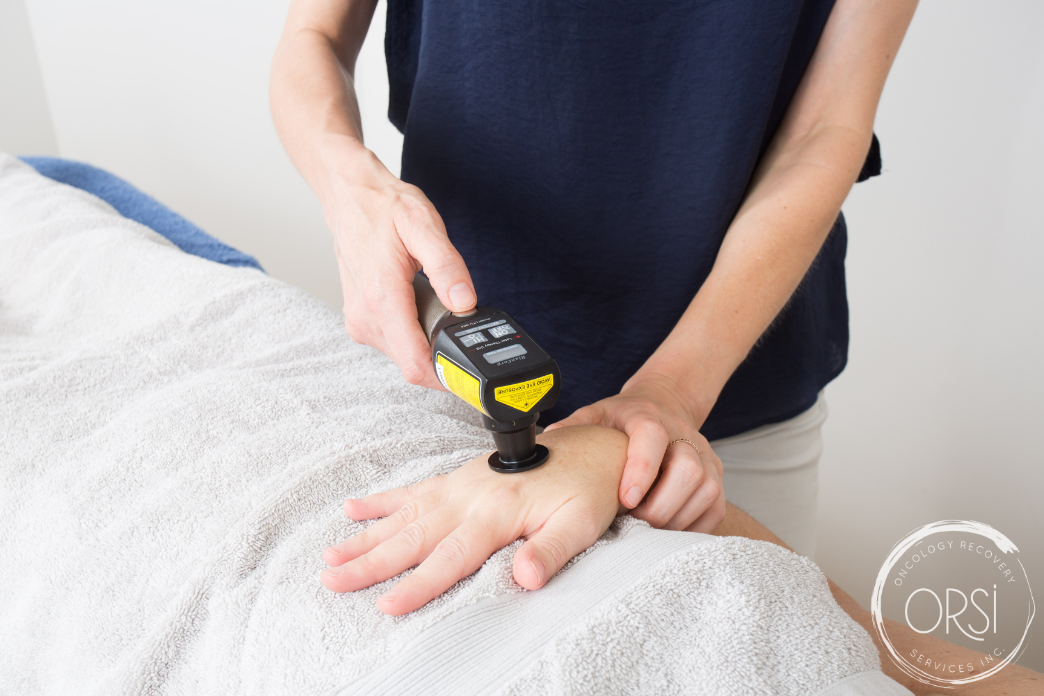
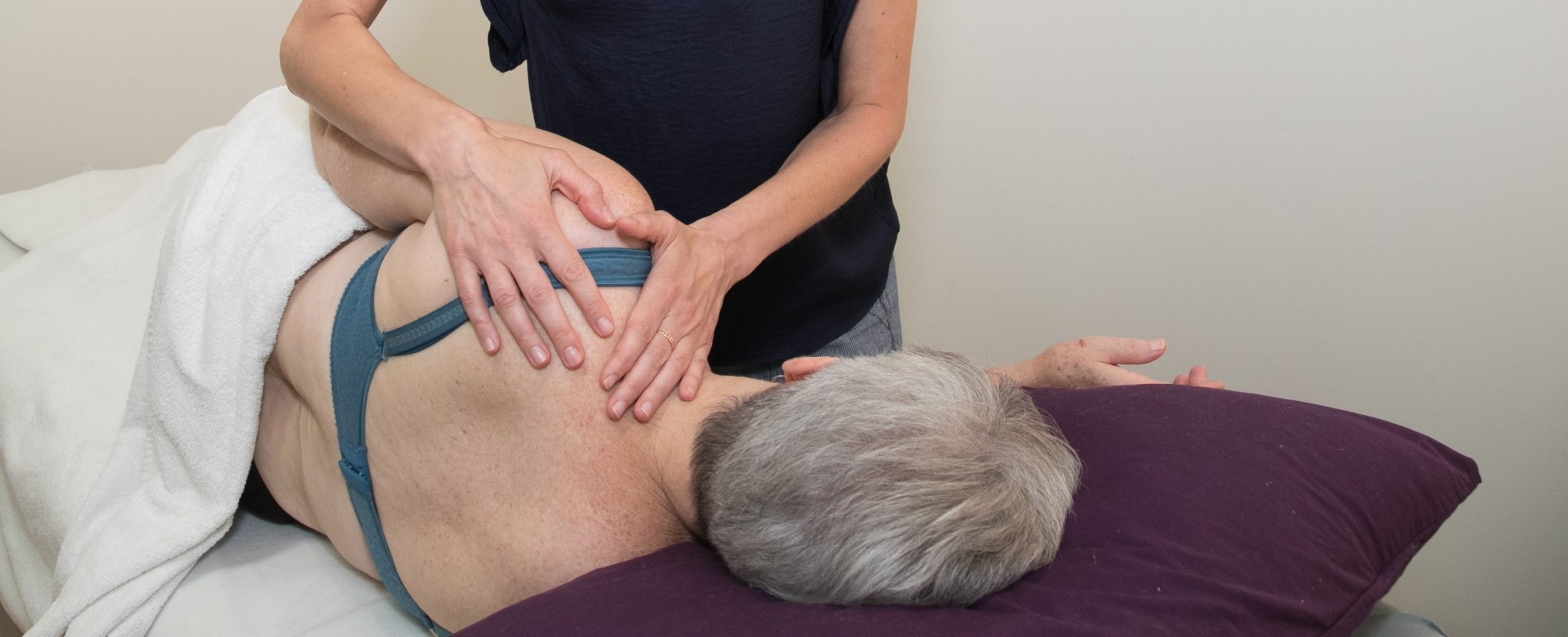
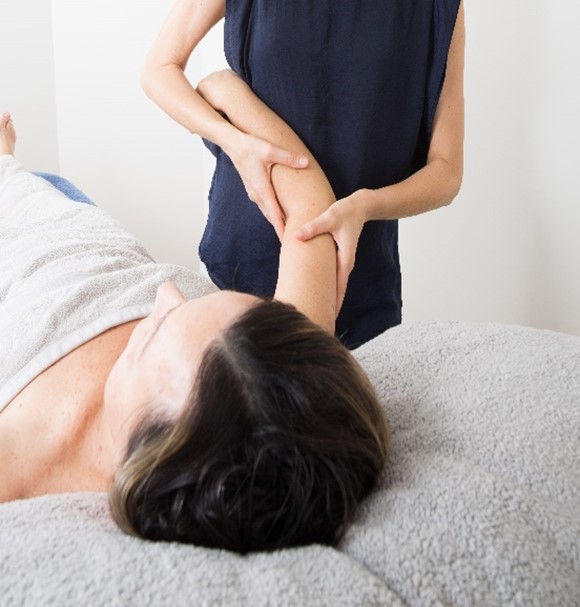
Physiotherapists specialised in cancer rehabilitation use a wide range of treatment modalities to address limitations caused by cancer treatment in the short or long-term. Some of these modalities include, manual techniques, laser therapy, compression therapy, exercise prescription and education on self-management strategies. These modalities are often used in combination. Physiotherapists can utilise a variety of manual techniques to release soft tissue and muscle tightness, improve joint range of motion, and enhance lymphatic flow. Low-level laser therapy uses near infrared light to soften scar and fibrotic tissue, decrease swelling, release muscle tightness or soft tissue adhesions and reduce pain. Compression therapy is used for the management of lymphoedema and needs to be individually prescribed and monitored by a specialist lymphoedema physiotherapist.
Manual techniques 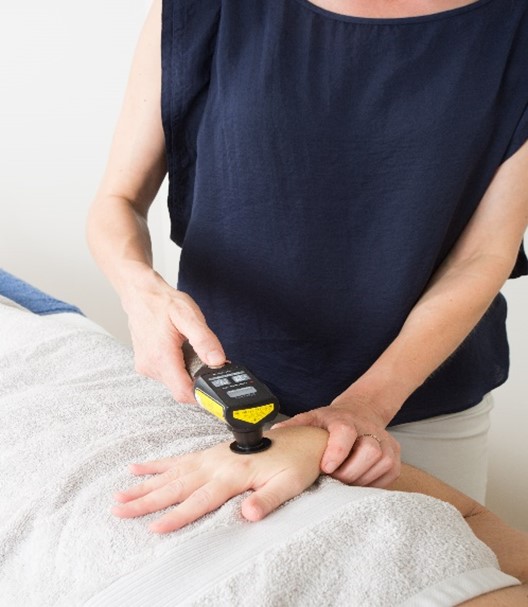
Low-level laser therapy 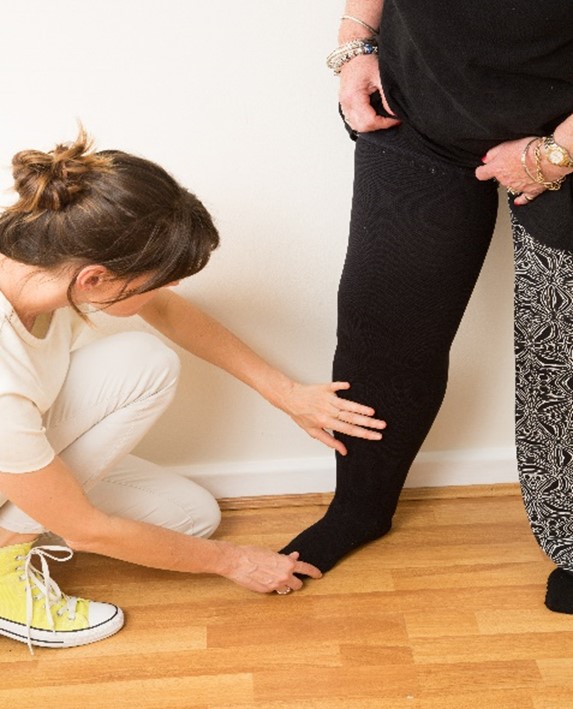
Compression therapy
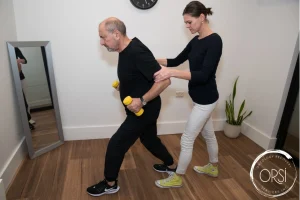
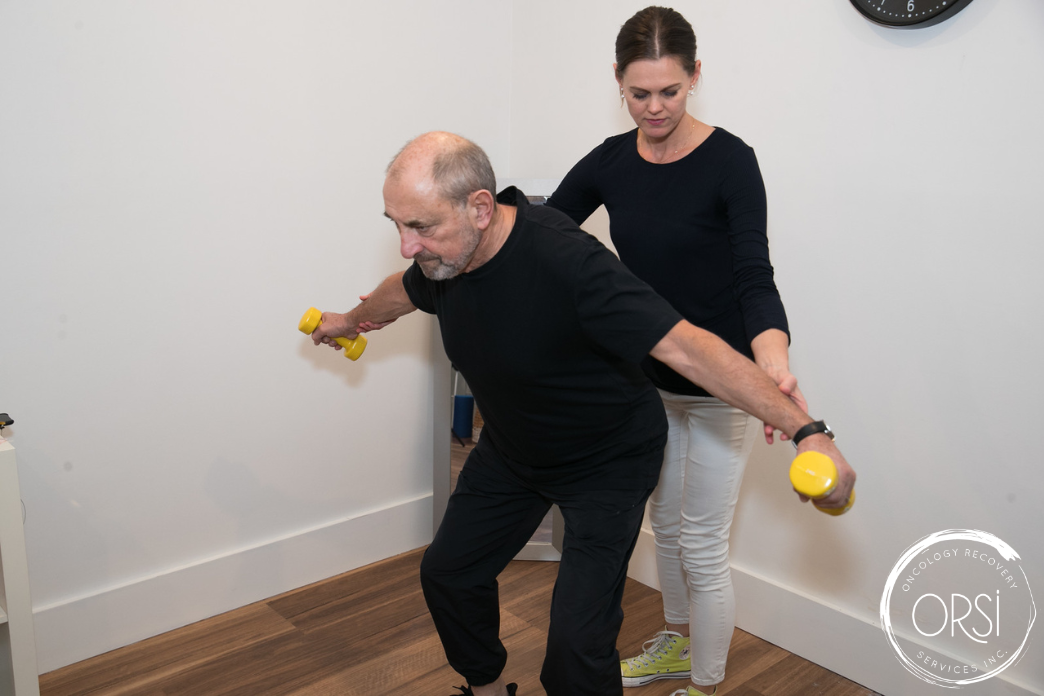
An exercise program aims to resolve any musculoskeletal imbalances caused by cancer treatment to allow patients to perform daily activities with ease. An exercise program led by the physiotherapist usually consists of a range of exercise types to address the individual’s musculoskeletal limitations. Stabilising exercises are indicated to support the position of joints or body parts that have been affected by cancer treatment. An example that we often see at our clinic is shoulder weakness with over-head activities after surgery for breast or head and neck cancers. The main purpose of stabilising exercises is to build strength. Stretching exercises, on the other hand, aim to increase flexibility of muscles that are tight or shortened as a result of surgery or radiation treatment. An exercise program during and after cancer treatment should be individually prescribed and regularly reviewed by a specialist physiotherapist, who takes into account patient limitations as well as their goals. Since 2018, the Clinical Oncology Society of Australia has encouraged the individualised prescription of up to 150 minutes of exercise per week as part of routine cancer care. Yoga, Pilates and hydrotherapy are great ways to incorporate both strengthening and stretching exercises into the recovery program.
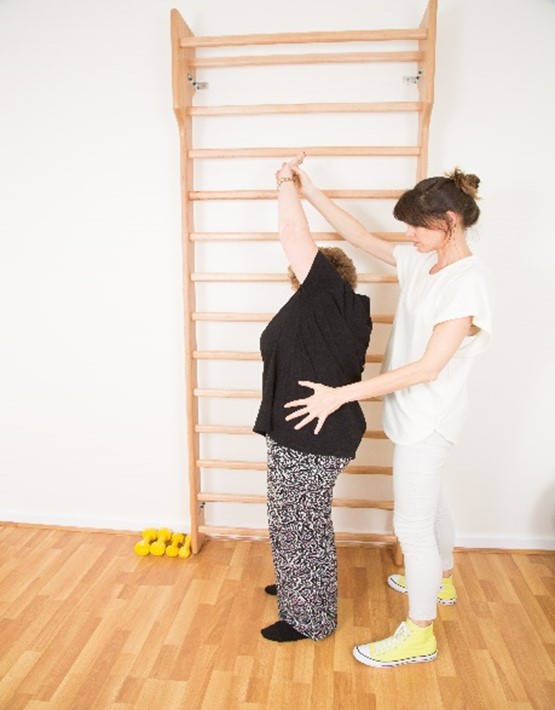
Exercise program
The patient’s role in the recovery process
Providing self-management strategies is an essential part of physiotherapy treatment. Physiotherapists specialised in cancer rehabilitation give advice on how to perform activities with modifications or using aids to assist with daily activities during the recovery process. Apart from an individually prescribed exercise program, management strategies taught to patients can include the application of simple manual techniques to manage scars, massage techniques to improve lymphatic flow or the use of compression garments to manage swelling. Including the patient in the treatment process ensures continuity of interventions and leads to a faster recovery. Teamwork is therefore key. Our practitioners at Oncology Recovery Services Inc. are passionate about providing you with guidance through your cancer treatment and beyond.
Written by Orsi Kokai and Catalina Llanos